Tennis Court Chooser: A Local Pro’s Guide to Finding Quality Courts for Local Players
Finding a tennis court within driving distance that’s actually worth playing on has been a question we’ve fielded from players for over 15 years. And every time, our answer surprises them: location alone tells you almost nothing about the quality of your experience. A court near you is worthless if the surface grips poorly, the nets sag, the lights flicker at dusk, and the community around it feels dead.
We’ve coached at parks, private clubs, university facilities, and everything in between. What we’ve learned is that the gap between a mediocre tennis court and an excellent one comes down to a handful of factors:
- Surface type and condition
- Maintenance standards
- Lighting
- Amenities
- Booking access
- Community culture
- Coaching availability
Key facts about Local Tennis Courts
The U.S. has roughly 270,000 tennis courts in total, but fewer than 400 of those are outdoor grass courts, and only about 62% are accessible to the public. Meanwhile, tennis participation has surged over 33% since 2020, putting more pressure on facilities that haven’t scaled to meet demand.
Top Courts in the US for pro level Tennis players
This guide walks you through the courts we recommend based on firsthand coaching experience and consistent player feedback. We chose these as good examples of courts in the U.S. that you should use as the gold standard while searching for tennis coaches and courts near you. The best court for you depends entirely on your skill level, budget, and specific goals. Let us show you what to look for.
How We Evaluated These Tennis Courts
We don’t rate courts based on aesthetics or reputation. We rate them on factors that directly affect how you play tennis and how often you’ll want to come back.
Here’s what we look at:
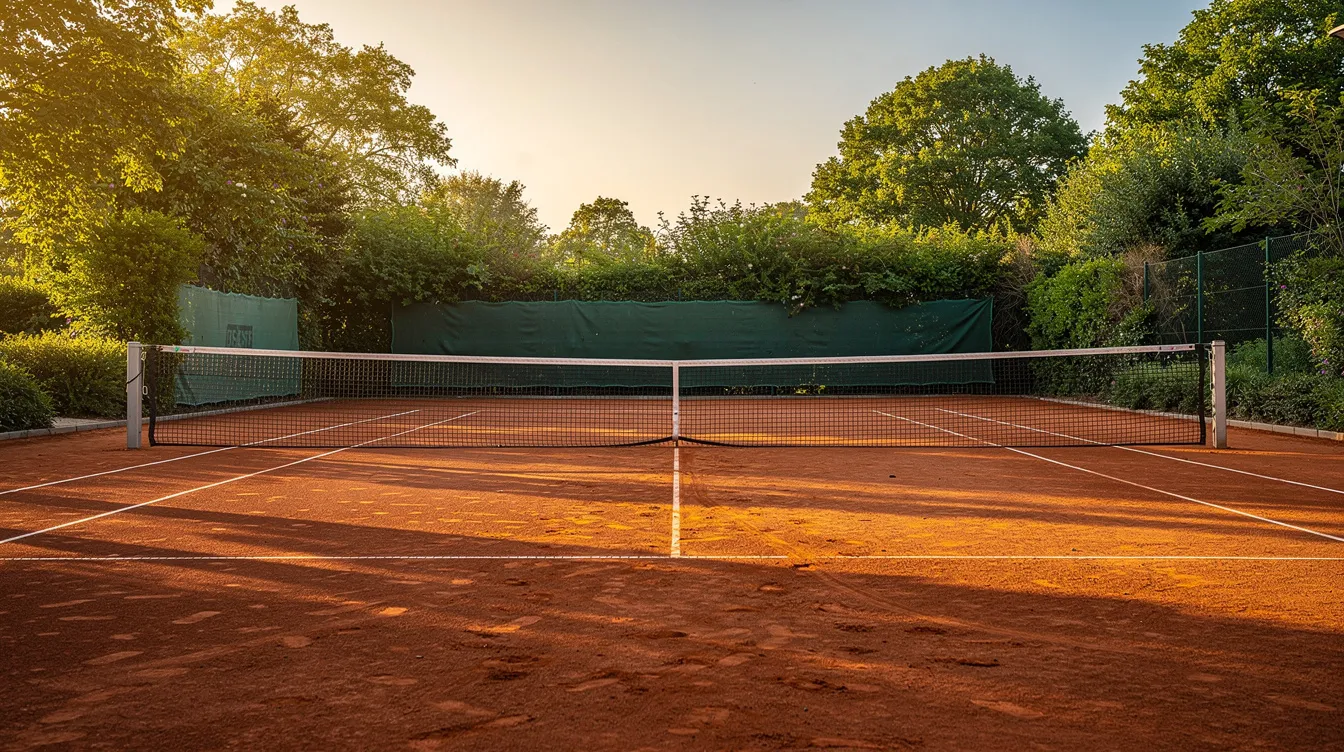
- Surface quality and type. Hard courts (acrylic over asphalt or concrete), clay (Har-Tru or red clay), and grass each produce different ball bounce, pace, and movement demands. A cracked hard court with faded lines is worse than a well-maintained clay court, regardless of surface preference. Surface characteristics vary significantly across types—clay slows the ball and allows sliding, hard courts deliver consistent medium-to-fast bounce, and grass plays fast but unpredictably.
- Maintenance standards. Clay courts need daily watering, rolling, and top-dressing. Hard courts require resurfacing every 4 to 8 years depending on UV exposure and traffic. We check for cracks, net tension, line visibility, and drainage.
- Availability and booking ease. Even top-tier facilities lose value if you can’t get court time during peak hours. We measure this by how easily you can book a 7–9 PM weekday slot. Larger city tennis complexes may use online reservation systems, which dramatically improve access. The USTA Facility Directory allows users to discover and book local tennis facilities directly.
- Lighting quality. Good lighting means uniform illumination with minimal glare and shadow—not just a couple of floodlights bolted to a pole. LED systems have become the standard for serious facilities.
- Amenities. Clean restrooms, water fountains, shaded seating, windscreens, and parking. These affect comfort between sets more than players realize until they’re missing.
- Community and skill diversity. Courts where regular pickup games, drills, and league matches happen push you to improve. We look for active player cultures across all skill levels.
- Cost and accessibility. Most public tennis courts are free or have a small hourly fee, while private clubs can run hundreds monthly. We weigh value against what you actually get.
- Professional instruction. Having certified pros, clinics, or development programs on-site can tip the scales between two otherwise comparable facilities.
Top 6 Tennis Courts in U.S. Cities for Serious Players
1. Riverside Tennis Center, Baton Rouge, LA
1515 Dalrymple Drive, Baton Rouge, LA 70808
This tennis center sits at the top of our list because it delivers what serious players crave: premium Har-Tru clay surfaces maintained to tournament standards, reliable booking, and lighting that makes 9 PM matches feel like afternoon play.
Why It Stands Out
The Har-Tru clay courts here receive daily grooming—rolled, watered, and top-dressed on a strict schedule. That level of maintenance is rare outside of elite private clubs, yet Riverside keeps it accessible with reasonable drop-in rates during weekday hours. For context, facilities like the Capital One Tennis Center in Baton Rouge operate from 8 a.m. to 10 p.m., and Riverside’s tennis courts are open Monday to Thursday from 5 a.m. to 10 p.m., including Thursday, which accommodates morning drills through late-evening matches.
Best For
Competitive USTA league players and serious intermediates who want clay-court experience to develop consistency, footwork, and endurance.
Key Strengths
- Professional-grade Har-Tru clay surface with daily grooming and excellent drainage, playable within an hour of light rain
- Consistent court availability through an online booking system showing real-time schedules
- High-quality LED lighting rated for uniform visibility through evening operation
Possible Limitations
- Higher court fees during peak weekend hours, often $40–$60 per hour for clay on Saturday and Sunday
- Limited parking during tournament weekends—arrive early or carpool
Pro tip: If you’re new to clay, invest in clay-specific shoes with herringbone soles before your first session. Standard hard-court shoes won’t grip properly and you’ll slide at the wrong moments.
2. YMCA Lamar Tennis Center, Baton Rouge, LA
8100 YMCA Plaza Dr., Baton Rouge, LA 70810
This public facility proves that you don’t need a membership card to play on quality courts. With 20 resurfaced tennis courts (10 hard courts and 10 clay courts) and weekday hours from 8 a.m. to 9 p.m., it offers excellent access for all skill levels.
Why It Stands Out
The resurfacing brought the courts back to near-new condition, with updated drainage that eliminates puddle problems. The YMCA also offers weekly round robins, drills, clinics, and a junior program.
Best For
Budget-conscious players of all skill levels who want regular court time without financial barriers. Also ideal for players who thrive in pickup game environments.
Key Strengths
- Free or low-cost access with well-maintained courts
- Active tennis community with organized pickup games and clinics
- Junior development programs and certified teaching professionals
Possible Limitations
- No guaranteed court reservations—first come, first served during peak times
- Limited amenities compared to private clubs
Pro tip: Show up early on weekdays to secure courts and enjoy cooler temperatures.
3. Rock Creek Tennis Center, Washington, D.C.
4300 13th St NW, Washington, DC 20011
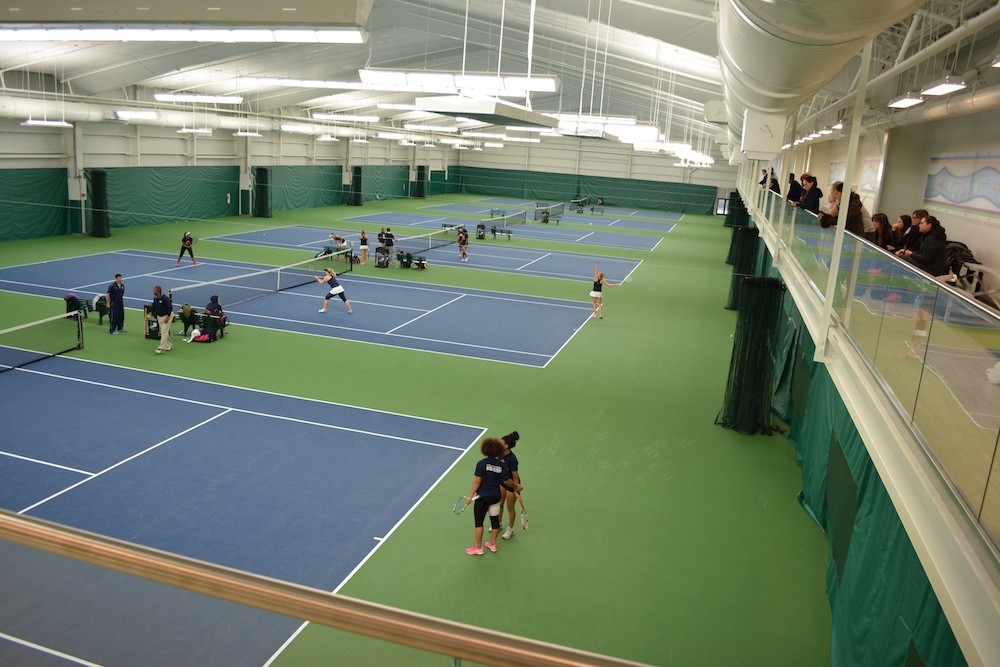
Rock Creek Tennis Center has 25 outdoor courts (15 hard, 10 clay) plus 5 indoor heated courts available during winter, making it a year-round training hub.
Why It Stands Out
The combination of outdoor and indoor courts lets players train no matter the season. The facility also hosts the Citi Open ATP Tour event, ensuring top-tier court standards.
Best For
Year-round players who want both outdoor and indoor options, plus access to high-level tournaments and professional coaching.
Key Strengths
- Large number of courts including indoor heated courts for winter play
- Regular maintenance and tournament-grade surfaces
- Pickleball programs and community events
Possible Limitations
- Temporary closures during major tournaments (e.g., Citi Open)
- Court availability can be limited during events
Pro tip: Plan around tournament dates to avoid closures, and book early for indoor courts in winter.
4. Tuscaloosa Tennis Center, Tuscaloosa, AL
1701 15th St, Tuscaloosa, AL 35401
This premier facility offers 18 hard courts, 12 clay courts, and 3 indoor courts, with weekday hours until 9 p.m., making it a regional hub for competitive and recreational players.
Why It Stands Out
The mix of court surfaces and indoor options supports all playing styles and year-round training. The center hosts leagues, lessons, and tournaments.
Best For
Players seeking a comprehensive facility with options for all surfaces and indoor play, plus structured programs.
Key Strengths
- Variety of court surfaces including clay and indoor courts
- Extended weekday hours for after-work play
- Organized leagues and coaching programs
Possible Limitations
- Membership or fees required for some programs
- Indoor courts may have limited availability during peak times
Pro tip: Take advantage of weekday evening hours to avoid weekend crowds.
5. Country Club of Louisiana, Baton Rouge, LA
18400 Boulevard Louisiane, Baton Rouge, LA 70810
This private club features 10 green clay courts and 3 indoor hard courts, offering pristine playing conditions and exclusive events.
Why It Stands Out
Dedicated clay infrastructure combined with indoor courts provides year-round, high-quality playing surfaces. The club hosts USTA league teams and social mixers.
Best For
Players seeking a full-service tennis lifestyle with exclusive amenities and social opportunities.
Key Strengths and Pro Shop
- Immaculate green clay courts with daily maintenance
- Indoor courts for winter play
- Pro shop, leagues, and club tournaments
Possible Limitations
- High membership fees and initiation costs
- Limited guest access—membership required
Pro tip: Request a trial membership to experience the community before committing.
6. Southern Oaks Athletic Club, Baton Rouge, LA
15253 Shenandoah Ave, Baton Rouge, LA 70817
This club features 3 lighted hard courts and 6 lighted hydro clay courts, plus a ball machine and certified teaching staff.
Why It Stands Out
The mix of court types and quality lighting supports varied play styles. The club offers private lessons, junior programs, and USTA league participation.
Best For
Players wanting a smaller, well-maintained club environment with personalized coaching and league options.
Key Strengths
- Lighted courts for evening play
- Certified teaching professionals and junior programming
- USTA league teams and social events
Possible Limitations
- Smaller number of courts means potential wait times
- Membership fees apply
Pro tip: Join league play to meet players at your level and improve competitively.
Quick Comparison of the Best Local Tennis Courts
Here’s a side-by-side view to help you scan differences quickly:
| Facility | Location | Surface | Cost | Lighting | Booking | Best For |
|---|---|---|---|---|---|---|
| Riverside Tennis Center | Baton Rouge, LA | Har-Tru clay + hard | $$–$$$ | LED, excellent | Online reservation | Competitive clay-court players |
| YMCA Lamar Tennis Center | Baton Rouge, LA | Hard + clay | Free/$ | Good | First come, first served | Budget-conscious regular players |
| Rock Creek Tennis Center | Washington, D.C. | Hard + clay + indoor | $–$$ | Indoor + outdoor | Online/phone | Year-round players, tournament prep |
| Tuscaloosa Tennis Center | Tuscaloosa, AL | Hard + clay + indoor | $$ | Good | Membership/drop-in | Comprehensive surface options |
| Country Club of Louisiana | Baton Rouge, LA | Green clay + indoor | $$$$ | Premium | Members priority | Serious players wanting lifestyle |
| Southern Oaks Athletic Club | Baton Rouge, LA | Hard + hydro clay | $$ | Lighted | Membership | Coaching and league players |
How to Choose the Right Tennis Court to Play Tennis for Your Needs
Picking the right court isn’t about finding the “best” facility in some abstract sense. It’s about matching where you play to how you want to grow.
1. Choose Based on Your Skill Level and Goals
If you’re a competitive player training for USTA league play or tournament draws, prioritize facilities with premium surfaces (especially clay for developing consistency), strong coaching staff, and a community of players at or above your level. Riverside Tennis Center and Country Club of Louisiana serve this profile.
If you’re developing your game or just getting started, court surface matters less than access, affordability, and instruction quality. YMCA Lamar Tennis Center and Southern Oaks Athletic Club’s programming and access are practical starting points.
2. Choose Based on Your Budget and Frequency of Play
Players who hit the courts three to five times per week should calculate annual cost carefully. A $200/month membership at a well-maintained club may be worth it if you value consistent access, quality courts, and coaching. For more casual players or those on a tighter budget, public facilities like YMCA Lamar Tennis Center offer fun, affordable options with flexible drop-in rates.
3. Choose Based on Location, Indoor Courts, and Convenience
Proximity matters, but not as much as you might think. A slightly longer drive to a superior court with better maintenance, lighting, and community can greatly enhance your enjoyment and improvement. Consider courts that are open early on weekdays and stay available later on Friday, giving you a concrete late-evening option that can still fit a busy schedule.
4. Choose Based on Community and Coaching
If you’re interested in joining leagues, clinics, or social mixers, prioritize courts with active player communities and certified teaching pros. Facilities like Southern Oaks Athletic Club and Riverside Tennis Center foster a fun, competitive environment that keeps players motivated and engaged.
Which Option Is Best for You?
- Choose Riverside Tennis Center if you want top-tier clay courts and a competitive player base.
- Choose YMCA Lamar Tennis Center if you’re budget-conscious but want access to well-maintained courts and a vibrant community.
- Choose Rock Creek Tennis Center if you need year-round play with indoor and outdoor court options.
- Choose Tuscaloosa Tennis Center if you want variety in court surfaces and structured programs.
- Choose Country Club of Louisiana if you prioritize exclusive amenities and a full-service tennis lifestyle.
- Choose Southern Oaks Athletic Club if you want personalized coaching and league play in a smaller club setting.
Finding the best tennis court close to you requires balancing your skill level, budget, schedule, and personal goals. While public courts offer affordability and accessibility, private clubs provide premium surfaces and community experiences. Use this guide to identify courts that combine quality surfaces, good lighting, easy booking, and an active tennis culture to make your game more fun and rewarding.
Top 20 Publicly Available Tennis Courts in the U.S.
If courts aren’t accessible, it doesn’t matter how nice they are. Here’s a curated list of 20 highly regarded public tennis courts across the country, known for their quality, accessibility, and player-friendly amenities:
- Riverside Tennis Center – Baton Rouge, LA
- YMCA Lamar Tennis Center – Baton Rouge, LA
- Rock Creek Tennis Center – Washington, D.C.
- Central Park Tennis Courts – New York, NY
- Griffith Park Tennis Courts – Los Angeles, CA
- Forest Park Tennis Center – St. Louis, MO
- Boston Common Tennis Courts – Boston, MA
- Grant Park Tennis Center – Chicago, IL
- Golden Gate Park Tennis Courts – San Francisco, CA
- Piedmont Park Tennis Courts – Atlanta, GA
- Balboa Park Tennis Courts – San Diego, CA
- Washington Park Tennis Courts – Portland, OR
- Discovery Green Tennis Courts – Houston, TX
- Fairmount Park Tennis Courts – Philadelphia, PA
- City Park Tennis Courts – New Orleans, LA
- Shelby Farms Tennis Center – Memphis, TN
- Zilker Park Tennis Courts – Austin, TX
- Liberty Park Tennis Courts – Salt Lake City, UT
- Alamo Heights Tennis Courts – San Antonio, TX
- Highland Park Tennis Courts – Dallas, TX
Each of these locations offers a blend of well-maintained courts, reasonable access hours (often including early mornings and late evenings on weekdays and Fridays), and welcoming tennis communities. Many also feature organized clinics, leagues, and social events that make playing tennis fun and engaging.
Pro tip: Use the USTA Facility Finder to locate courts near you that match your preferences for surface type, availability, and amenities. Play Your Court is your top source for finding coaches and lessons.