Racket Drop on the Serve: What It Is and How to Fix It
A deep racket drop is where serve power comes from. Learn what it is, why most rec players have a shallow one (“waiter’s tray”), and 3 fixes.

Technique breakdowns, drills, and strategy from PlayYourCourt pros — everything you need to play better tennis.
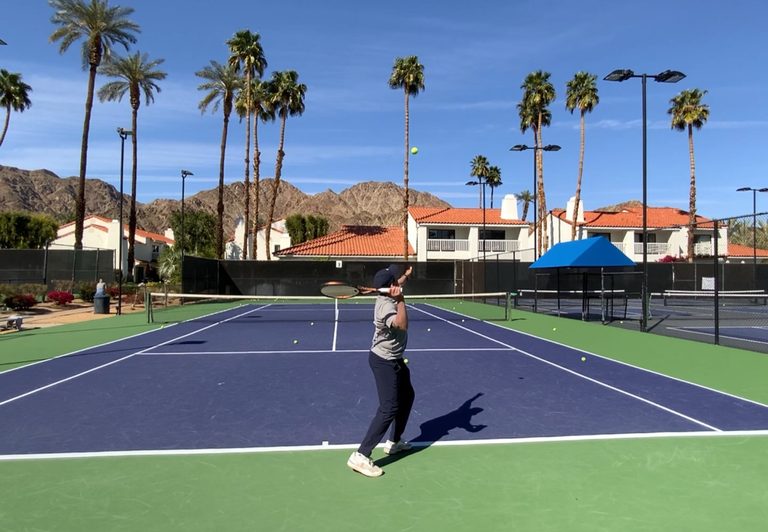
A deep racket drop is where serve power comes from. Learn what it is, why most rec players have a shallow one (“waiter’s tray”), and 3 fixes.

Whether you’re picking up a racquet for the first time or sharpening your game for league play, understanding what tennis lessons actually cost in your city is the first step toward making a smart investment. This guide breaks down real pricing data for private tennis lessons, semi-private sessions, and group tennis lessons across the 20…
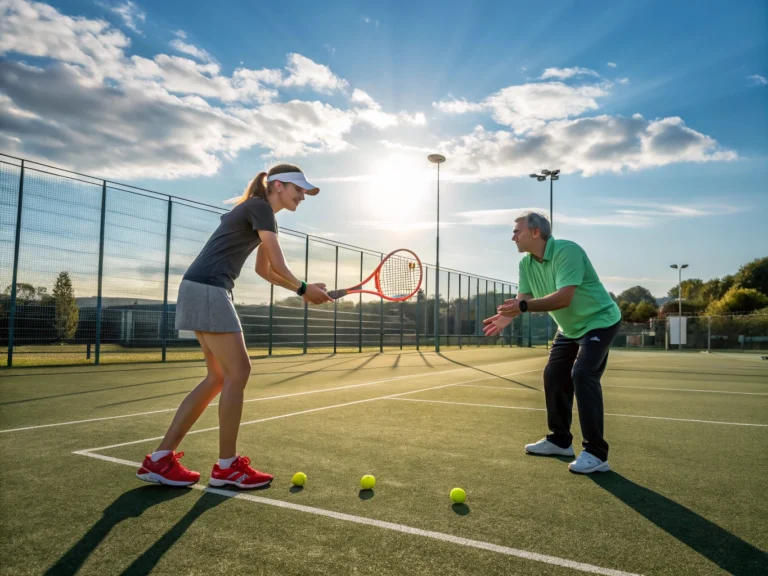
Tennis is not a sport reserved for people who started swinging a racket at age five. If you have decided to pick up the game as an adult, you are joining one of the fastest-growing segments in sports – and this guide will show you exactly how to go from zero experience to confident rallying,…
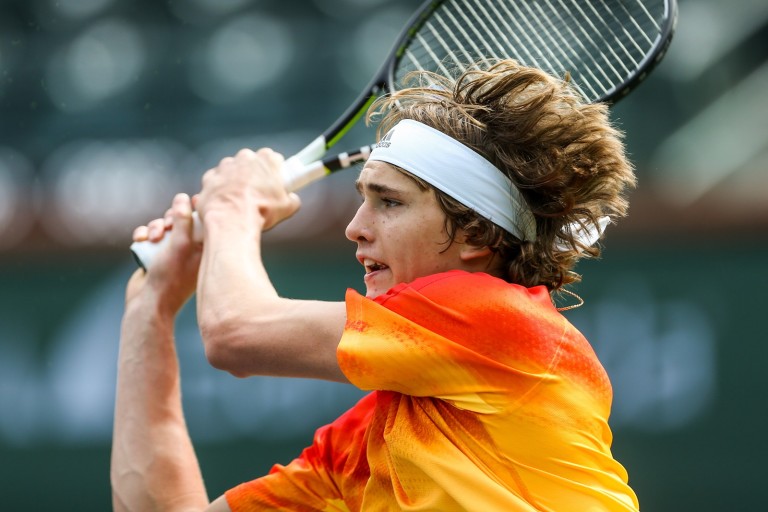
Learning how to hit the ball in tennis doesn’t require natural talent or years of practice before things click. It requires understanding a handful of fundamentals, drilling them with intention, and building consistency over time. As coaches, we’ve seen players transform their game in weeks once they stop guessing and start following a clear process….

What does it mean to be an ambidextrous tennis player? A guide to Ambidextrous tennis What is it exactly? Ambidextrous tennis refers to a playing style where a tennis player freely switches the racket between hands during live points, hitting forehands from both sides of the body instead of using a conventional backhand. Rather than…
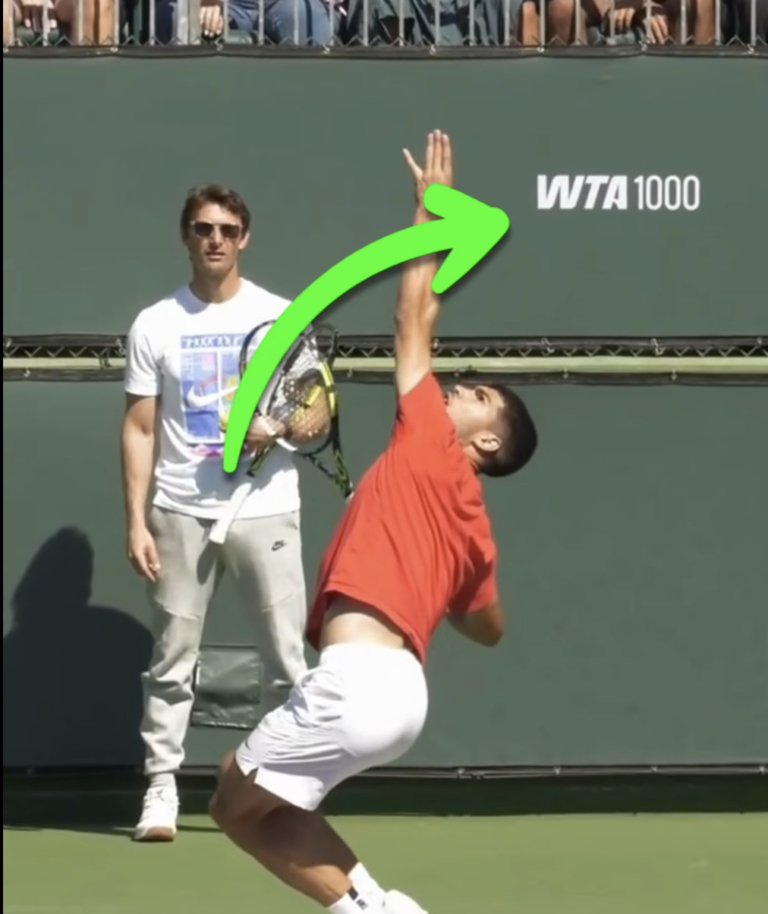
The tennis serve has a reputation for being complicated. And to be fair, there’s a lot happening. But complicated doesn’t mean we need to make it confusing. At PlayYourCourt, we like to break the serve into six specific movements. Learn them individually, understand how they connect, and then blend them into one fluid motion. The…
The short version Why your non-dominant hand may be the missing piece to cleaner, more consistent contact. If your forehand feels great one day and completely disappears the next, you might assume something is wrong with your swing. But your technique may not be the real problem. Your timing might be. Tennis is a sending-and-receiving…
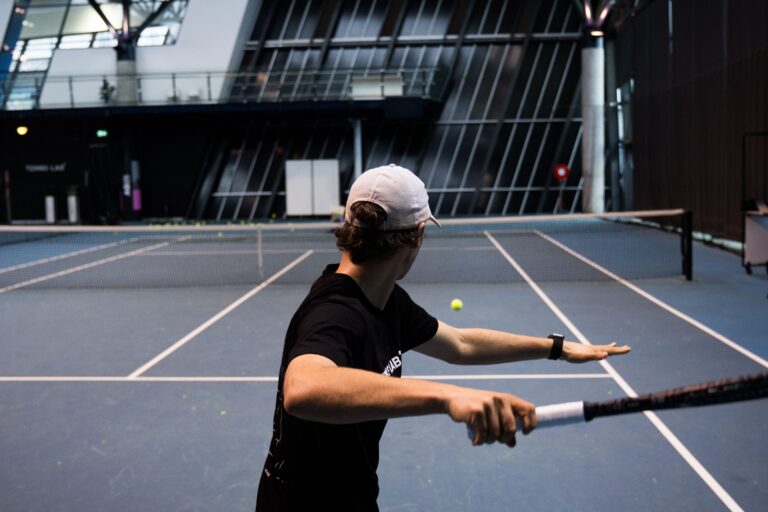
Short answer A heavy forehand combines pace, topspin, height, and depth — not just raw speed. Get your spacing right, swing forward and upward together, meet the ball in front, and accelerate through contact. That is how you push opponents back and create the ball you can attack. Watch the best forehands in professional tennis…
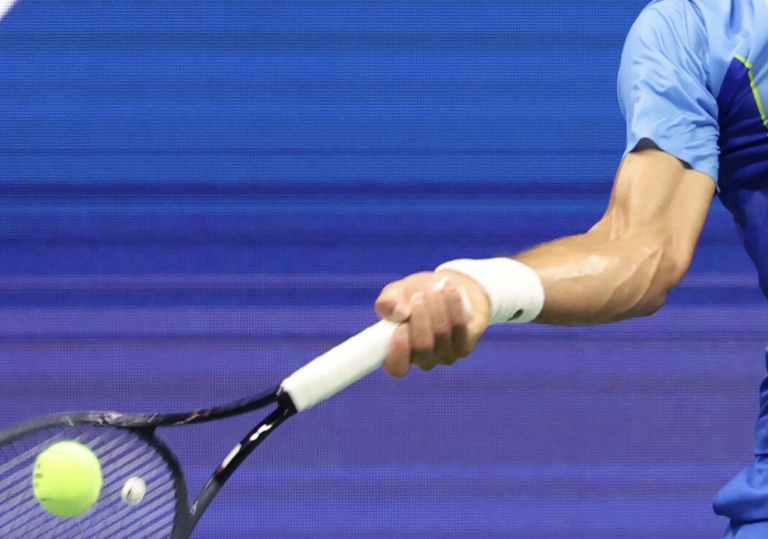
Short answer If you want one forehand grip to carry you from beginner to advanced, start with the semi-western grip. It gives you the best blend of topspin, power, and versatility, which is why most top players use some version of it. The best grip is not about copying the pros. Pick one that matches…
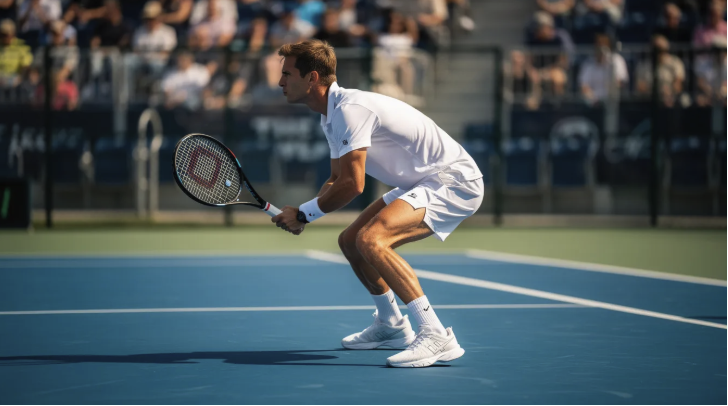
If you’ve ever stood across the net from a big server and felt helpless, this guide is for you. We’ll walk through everything a beginner needs to
neutralize hard serves and turn them into opportunities.