How to Learn Tennis as an Adult: A Complete Beginner’s Guide
Tennis is not a sport reserved for people who started swinging a racket at age five. If you have decided to pick up the game as an adult, you are joining one of the fastest-growing segments in sports - and this guide will show you exactly how to go from zero experience to confident rallying, step by step.
Key Takeaways
- Adult beginners and complete beginners can absolutely learn tennis at any age. Most adults can rally within a few months of consistent lessons, and can reach a 3.0 to 3.5 NTRP rating in 12 to 24 months with structured coaching.
- Your first tennis lesson should focus on safety, basic grips, simple footwork, and short-court rallying with low-compression balls - not full-power serves from the baseline.
- Playing tennis delivers remarkable physical, mental, and social benefits. Research links tennis with up to 9.7 additional years of life expectancy compared to sedentary individuals.
- Finding a good coach nearby is one of the most important steps. PlayYourCourt vets coaches specifically for beginners, making it easy to book a tennis lesson at a convenient local court.
- A clear step-by-step pathway plus a chart of beginner dos and don'ts (included below) will help you build confidence and start playing tennis right away.
Why Learning Tennis as an Adult Is Totally Possible
Here is a number that should settle any doubt: 62% of tennis players in 2023 were 25 years or older, and 44% of active tennis players are at least 35 years old. You are not an outlier - you are the majority. USTA participation data shows that U.S. tennis reached 27.3 million players in 2025, a 54% climb since 2019, with much of that growth coming from adults picking up the sport for the first time.
Most PlayYourCourt members are adult beginners or returners juggling jobs, families, and limited free time. Lessons are designed around these realities, not around an imaginary player with unlimited hours. Adult beginners can join tennis programs every season, so there is no "missed window."
Adults also bring advantages that kids lack: better body awareness from years of other sports like soccer or team activities, clearer goals (whether fitness, social benefits, or competition), and more discipline to practice consistently. If you are in your 40s, 50s, or 60s and wondering whether you are too old, consider that many PlayYourCourt students in those age ranges start from scratch and reach comfortable rallying within a few months.
Organizations like the USTA actively encourage adults to start playing tennis precisely because the sport offers unmatched longevity and health benefits at any fitness level.
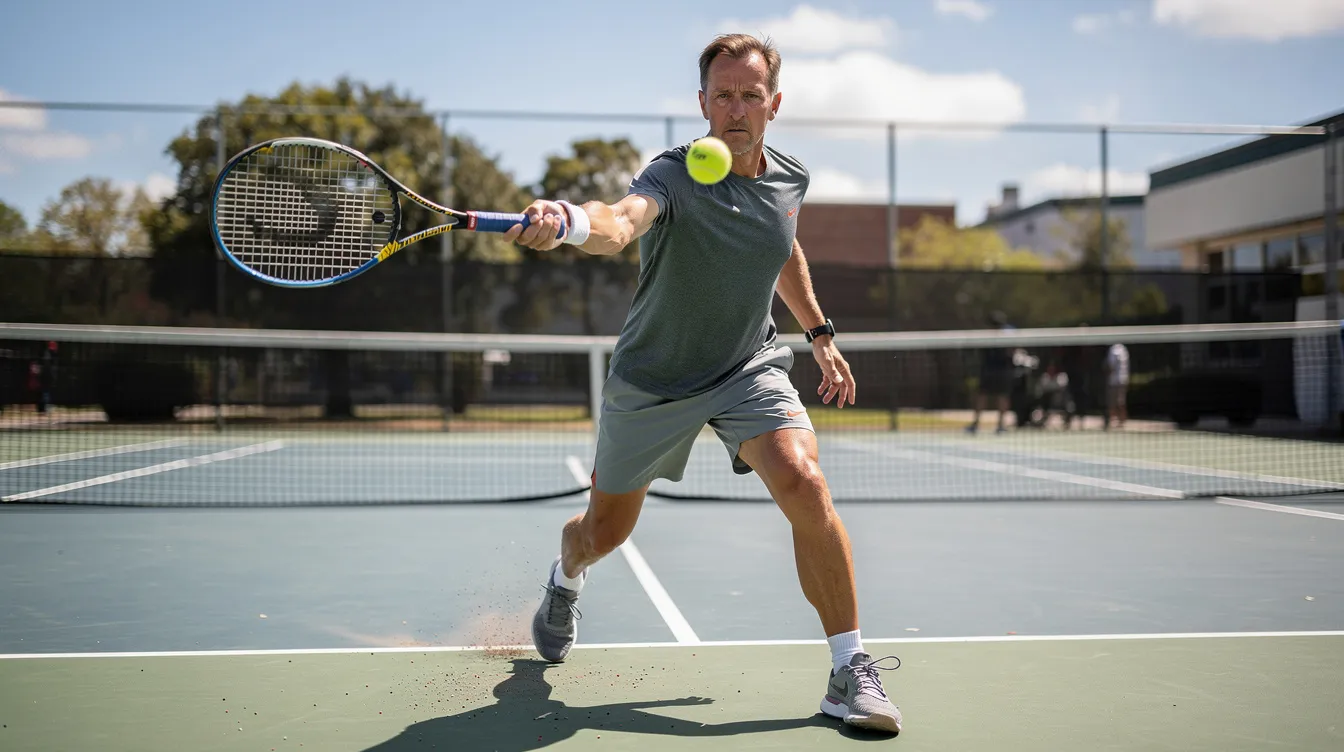
Step-by-Step: How to Get Started and Book Your First Tennis Lesson
This section gives you a clear, chronological action plan from zero experience to your first few weeks on court.
Step 1: Define your goal. Maybe it is "play tennis socially once or twice per week," "get good enough for a local USTA 3.0 league," or "use tennis as exercise for weight loss." Coaches confirm that clearer goals lead to more targeted learning and faster progress.
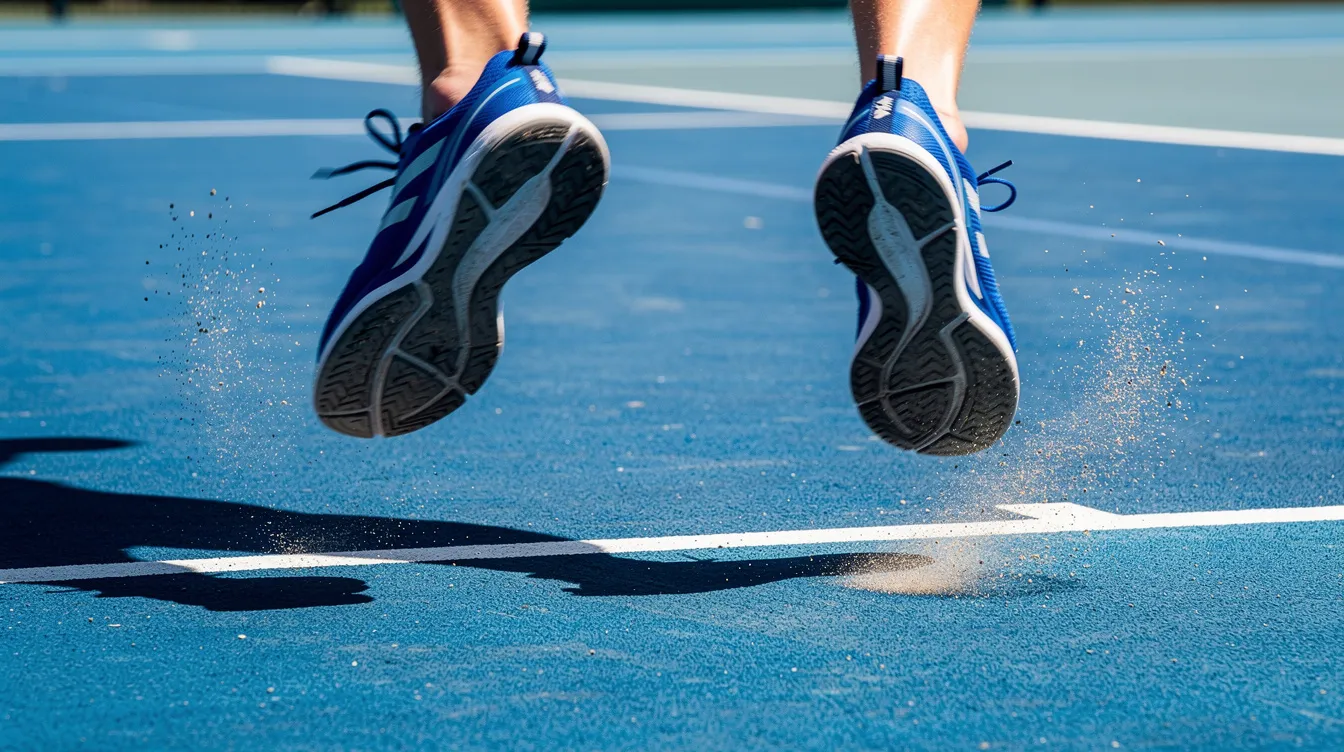
Step 2: Gather minimal gear. You need comfortable athletic clothes, proper tennis shoes with non-marking soles to prevent slipping, and a borrowed or basic racket. Choose a lightweight racquet around 100 to 105 square inches for easy handling. Grab a can of low-compression balls. Do not overspend at this stage - equipment upgrades come later.
Step 3: Find a vetted local coach. Use PlayYourCourt's online platform to find a tennis coach near you. Enter your ZIP code, select "adult beginners" or "complete beginners," and choose between private lessons or small-group beginner tennis lessons. Adult beginners typically need one to two lessons per week for real progress.
Step 4: Pick a court. You can book lessons at any court of your choice. Coaches can also recommend convenient court locations if you are unsure where to play.
Step 5: Schedule your first lesson. Pick a realistic time - Saturday morning, a weekday evening. Plan to arrive 10–15 minutes early to warm up and review goals and any injury history with your coach.
The 5-Minute Power Serve Sequence fixes your racket drop — without swinging harder.
What to Expect in Your First Tennis Lesson
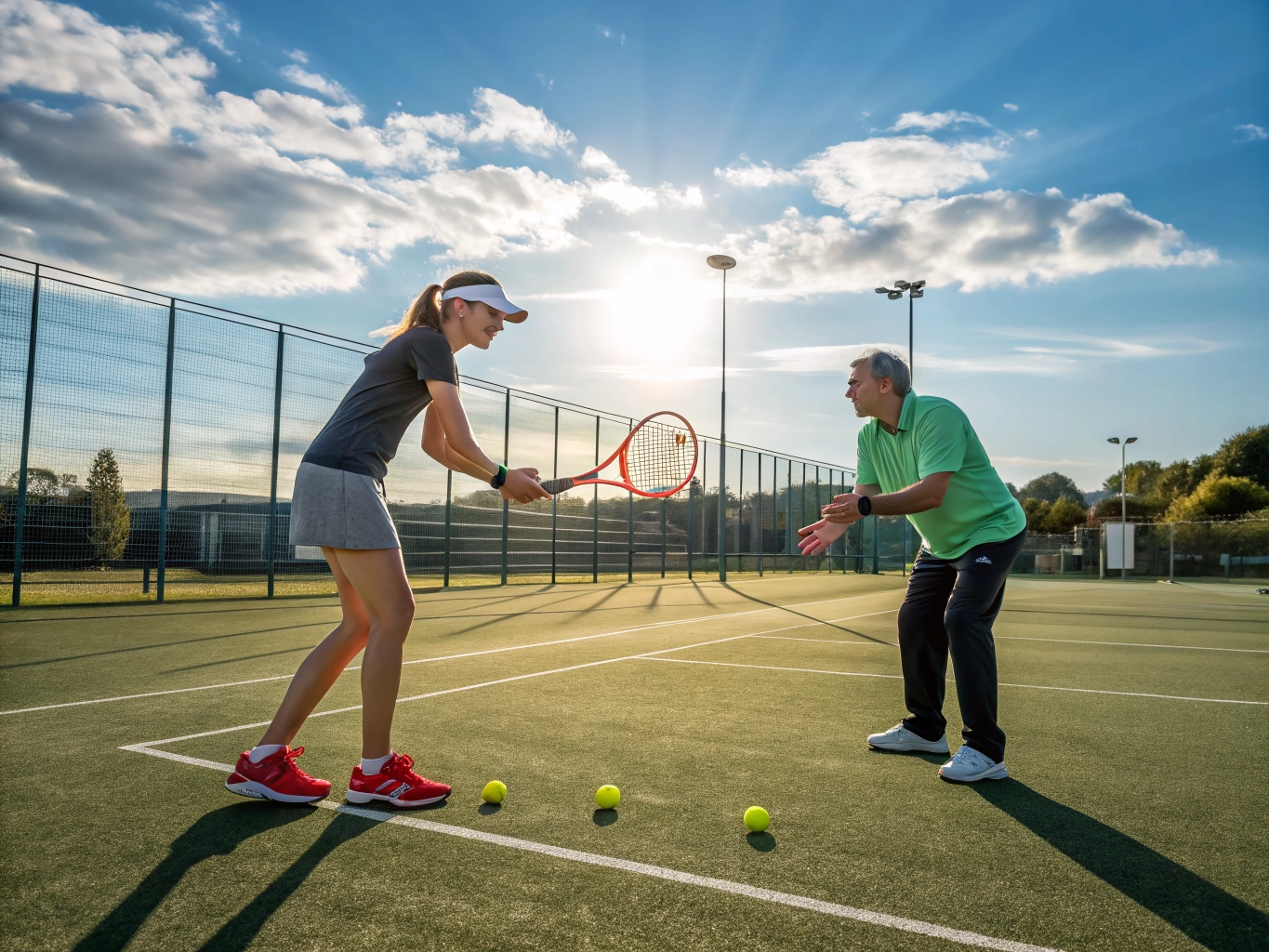
A first tennis lesson for complete beginners should be calm, structured, and focused on getting comfortable on court rather than testing your athletic ability.
A typical 60-minute beginner session looks like this: a quick chat about past sports experience, injury history, and goals; a dynamic warm-up; basic movement patterns; and simple rally exercises. Adult beginners should focus on grip and footwork in early lessons - these are the foundation everything else is built on.
A good coach will start by helping you judge the bounce of the ball and move your feet before diving into heavy technical instruction. This way, you experience successful contact quickly. Tennis academies often use low-compression balls for beginners, and short-court rallying slows the game down so you can extend rallies from day one.
By the end of your first lesson, most beginners will have tapped and rolled a ball with the racket, tried a basic forehand and backhand, and exchanged a few controlled rallies close to the net.
The Core Tennis Skills Every Beginner Needs to Learn
Beginner tennis lessons for adults center on four stroke skills plus footwork and ready position. Mastering these early prevents bad habits from taking root. The four skills of tennis are forehand, backhand, serve, and volley. After these basic strokes feel comfortable, you will gradually add overheads, lobs, and slice.
PlayYourCourt coaches sequence these skills logically: contact and control first, then power, spin, and more advanced tactics. Complete beginners should spend the first six to eight lessons building repetition on core skills rather than chasing new trick shots. Focus on mastering fundamental skills before trying to hit hard.
Do not obsess over replicating perfect technique from online videos. Players improve 50% faster with coaching than self-teaching because in-person correction from a vetted coach is quicker, safer, and leads to faster correction of developing mistakes. Structured lessons help beginners learn tennis skills effectively - invest in a proper lesson or coach to build correct mechanics from the beginning.
Fundamentals in Focus: Forehand, Backhand, Serve, and Volley
Here is what each stroke should look and feel like at a basic level, without overwhelming biomechanics.
Forehand: Contact out in front, relaxed grip (Eastern or Semi-Western), shoulder turn, and full but controlled follow-through. Most coaches prioritize consistent net clearance over power. Aim for hitting the ball deep into the opponent's court once you can clear the net reliably. For a deeper breakdown, see PlayYourCourt's guide on how to hit a forehand.
Backhand: Most adult beginners do better with a two-handed backhand for stability. Use the legs and hips for power instead of just the arms. Initiate with a shoulder turn and keep the non-dominant hand engaged. PlayYourCourt's complete backhand guide walks through both one-handed and two-handed options.
Serve: A flat serve with a reliable toss is the first goal for beginners. Develop your serve gradually by focusing on consistent ball toss, a simple throwing motion, and contact above the head. Early lessons often use abbreviated "tap" serves to build confidence. Master the continental grip for serves, volleys, and overheads - it is the universal grip for these shots. Keep your serve consistent with controlled power rather than raw speed. Learn the full motion with PlayYourCourt's step-by-step serve guide.
Volley: A short, punching motion near the net with minimal backswing. Focus on a stable racket face, a light split step, and moving through the ball with your body rather than just your arms. PlayYourCourt covers this in detail in its volley fundamentals guide.
Practice these strokes with a coach first, then reinforce them at home with shadow swings, wall hitting, or ball machine work. Practice against a wall to improve swing mechanics and coordination between sessions.
Footwork and Movement: The Hidden Key to Playing Tennis Well
The best beginner tennis lesson spends significant time on footwork because poor positioning makes every shot harder and riskier. Tennis is 80% footwork - practice the split step to react quickly when your opponent hits the ball.
Key beginner movement concepts include the ready position, the split step as the opponent strikes, side shuffles, and small adjustment steps to get into the right position before you swing. Keep your feet light and take small adjustment steps to position yourself correctly around every ball. Track the ball from the opponent's racquet to your strings - this habit links your eyes to your feet.
USTA coaching guidelines emphasize "move then hit" rather than "reach and swing." Learn the 3 R's in tennis: Read (see the ball early), React (move your feet immediately), and Recover (return to the center after your shot).
Simple off-court drills you can do at home - ladder drills, side-to-side shuffles, and small hops - support on-court improvement and reduce injury risk. Good footwork also boosts confidence: when you feel you can reach the ball on time, mental stress drops noticeably.
Building a Safe, Effective Practice Routine (On and Off the Court)
Here is a practical roadmap for how often to play tennis, what to do in each session, and how to combine lessons, practice, and cross training for steady improvement.
A realistic schedule for busy adult beginners: one to two tennis lessons per week with a PlayYourCourt coach, plus one independent practice or match-play session. Incorporate targeted practice rather than just playing sets - this is what separates players who plateau from those who improve. Structured 8-week programs are available for adult beginners who prefer a set curriculum, and programs like Bayview Village Tennis Camp offer flexible scheduling for lessons that fit around work and family.
A 60-minute solo practice or partner session might look like this: 10 minutes warm-up and footwork, 20 minutes cooperative rallying, 20 minutes focused drills (e.g., crosscourt forehands), and 10 minutes serve practice. Practice controlling the ball through self-rallies to develop hand-eye coordination. Play doubles for a more enjoyable way to learn tennis and build match awareness in a lower-pressure setting.
For off-court conditioning, aim for two to three short sessions per week of brisk walking or light jogging, core stability work (planks, bridges), and mobility stretching focused on hips, shoulders, and calves. This exercise routine supports your game and reduces injury risk.
Video coaching helps players improve their skills faster by providing immediate feedback on technique. PlayYourCourt's video coaching allows for self-paced learning and practice, giving adult beginners specific drill ideas to make solo practice intentional. For more home drill ideas, check out PlayYourCourt's guide on how to practice tennis at home.
Health and Social Benefits of Playing Tennis Regularly
Tennis is one of the most researched sports in terms of long-term health, and benefits apply even when you start as an adult beginner.
The Copenhagen City Heart Study tracked over 8,500 participants for 25 years and found that tennis players gained 9.7 years of life expectancy compared to sedentary individuals. Playing tennis three hours weekly reduces cardiovascular disease risk by 56%. These numbers are hard to argue with.
Musculoskeletal benefits include improved bone density, better balance, and joint stability - especially important for adults in their 40s, 50s, and beyond. Tennis also builds hand eye coordination, agility, and reaction time that decline with age if left untrained.
Mental benefits are equally powerful: reduced anxiety, improved concentration, and stress relief through the combination of movement and strategy. The focus required to read an opponent's shot and react sharpens cognitive function in ways that solo exercise like running does not.
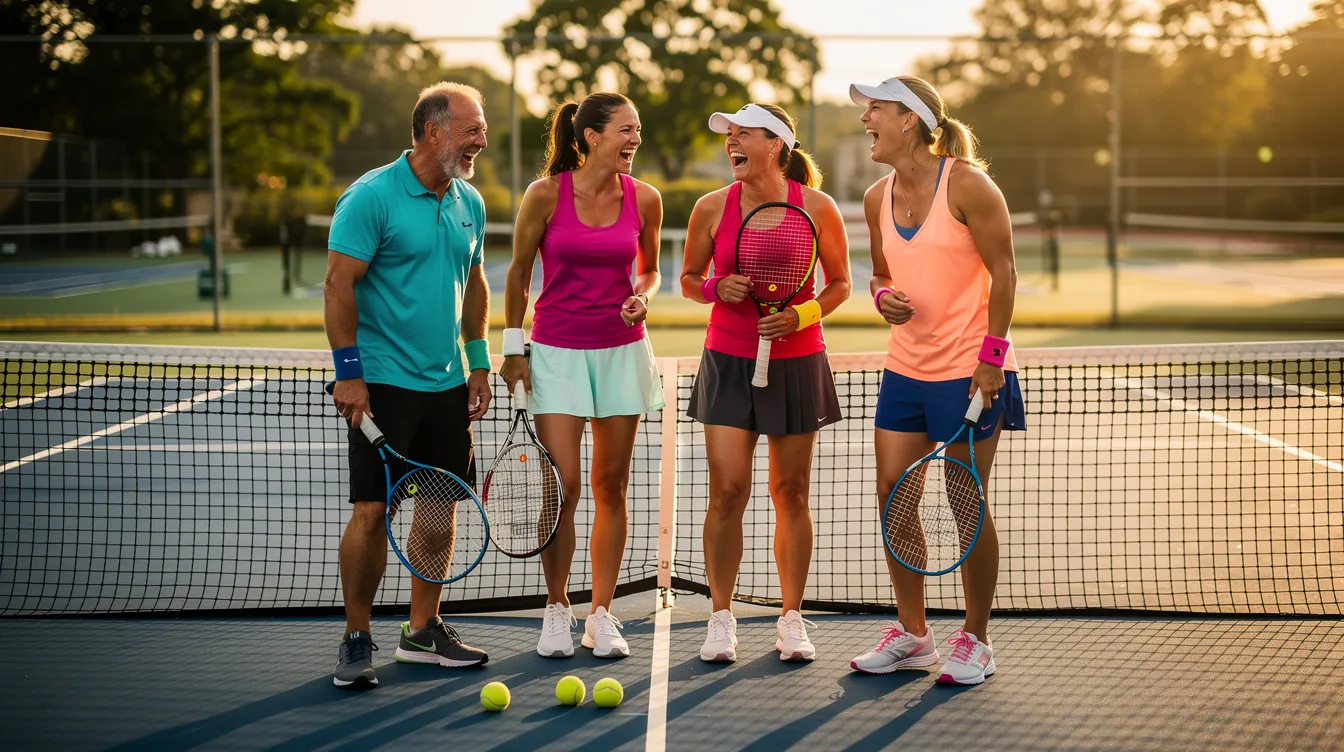
The unique social benefits of tennis deserve emphasis. Meeting practice partners, joining local beginner-friendly leagues, and building a community through PlayYourCourt's match-making and flexible membership options turns a solo fitness pursuit into a shared experience. Tennis associations recommend starting both youth and adult players with short-court rallying because it builds connection and fun from day one.
Finding the Right Coach and Program (and Why PlayYourCourt Helps)
Coaching quality is one of the biggest predictors of whether adult beginners stick with playing tennis and actually improve. Players who receive coaching improve 50% faster than self-taught ones - that is not opinion, it is a consistent finding across coaching research.
What to look for in a beginner-friendly tennis coach: certifications (USTA, USPTA, PTR, or relevant national associations), experience with adult beginners, clear communication, patience, and structured lesson plans. Certified coaches also adapt lessons to suit youth players' learning styles when working with younger students - look for that same adaptability with adults.
PlayYourCourt vets instructors through certification verification and performance reviews from real students, so complete beginners do not have to guess who is qualified. The platform matches players to coaches based on skill level, age, goals (social play, leagues, fitness), and preferred location and schedule.
Group lessons with a 4:1 student-to-coach ratio enhance learning and feedback compared to larger clinics. Youth tennis programs often use this same 4:1 student-to-coach ratio because it works - and it is equally effective for adults. Low-compression balls help youth players control their shots better, and the same principle applies to new players of any age. Youth players learn better by rallying than by traditional stroke drills, a lesson smart adult programs have adopted too.
Structured programs can help adults reach a 3.0 to 3.5 NTRP rating, and memberships often provide discounts on tennis gear. Discounts on tennis gear can vary by service provider, but some tennis programs offer exclusive gear discounts for members - worth asking about when you sign up.
Beginner Dos and Don'ts: Common Mistakes to Avoid
This chart covers the most common mistakes beginners make and what to do instead. The golden rule in tennis is to keep the ball in play - everything flows from that principle.
| Do | Don't |
|---|---|
| Invest in proper tennis shoes with lateral support and non-marking soles | Don't use running shoes on court - they lack lateral support and increase injury risk |
| Warm up with dynamic stretches and footwork before every session | Don't skip warm-ups and jump straight into hard hitting |
| Start with low-compression balls and short-court rallying | Don't begin with full-speed rallies from the baseline |
| Prioritize consistency and proper form over raw power - hit 50 easy crosscourt forehands each practice | Don't try to hit winners on every ball or chase advanced spins too early |
| Schedule regular beginner tennis lessons with a certified coach | Don't self-teach everything from YouTube - bad habits form fast and are hard to unlearn |
| Track small wins: longer rallies, fewer double faults, better footwork | Don't obsess over winning points in the first few months |
| Listen to your body and rest when something feels wrong | Don't play through sharp or persistent pain - injury prevention matters |
Remember the 80/20 rule: 80% of points are decided by consistency, and roughly 80% of points are unforced errors. You do not need a devastating forehand to win - you need reliability. Avoiding these common mistakes can save adult beginners months of frustration and significantly reduce the risk of injury.
How Long It Really Takes to Learn Tennis (and What Progress Looks Like)
"Learn tennis" means different things to different people. Here is what realistic timelines look like for adult beginners taking one to two lessons per week:
- Rallying and simple games: within a few months of consistent lessons
- Reaching NTRP 2.5–3.0: roughly 6–12 months
- Reaching NTRP 3.0–3.5: adults can reach a 3.0 to 3.5 NTRP rating in 12 to 24 months with structured coaching
- NTRP 4.0+ club play: typically 2–4 years of regular training and match play
Structured lessons improve players 50% faster than self-teaching. The gap between coached and self-taught players is most visible in consistency, serve reliability, and footwork - exactly the areas where bad habits are hardest to fix alone.
Encourage yourself to track small wins rather than only match results: longer rallies, fewer double faults, improved ability to reach balls you previously could not. PlayYourCourt members can periodically re-evaluate goals with their coaches and transition from beginner tennis lessons to more tactical, match-play focused sessions as skills progress.
Inspiration from Players Who Started Late and Got Good
One PlayYourCourt member shared: "I was a newbie to tennis and knew absolutely nothing, but after taking lessons I am now playing in a beginner league." That journey - from complete uncertainty to organized match play - is one of the most common stories in the community.
Many touring pros and top-level coaches emphasize that natural talent matters far less than repetition, humility, and quality coaching. As tennis legend Helen Wills Moody once said, "I can remember when, as a beginner, I was delighted with any ball as long as it would bounce." That kind of beginner's mind - openness and focus on process rather than outcome - is the mindset that separates adults who improve from those who stall.
PlayYourCourt's community regularly features member stories and advice for adult beginners on its news page, where new players share their journeys from complete beginners to confident competitors. The key pattern is never about starting young - it is about staying consistent, seeking feedback, and finding fun in the process of learning.
Frequently Asked Questions About Learning Tennis as an Adult
These FAQs address common concerns not fully covered above, focusing on safety, cost, and logistics for adult beginners.
Do I need to be fit before I start taking tennis lessons?
No. Prior high-level fitness is not required. Many complete beginners use beginner tennis lessons as their starting point for getting back into shape, regardless of current fitness level. If you have existing health concerns like high blood pressure, consult a doctor first, then start with shorter sessions and lower-intensity drills. Coaches can scale intensity, using more rest and cooperative rallying so players build endurance gradually.
Is it better to start with private lessons or group sessions?
Private lessons offer faster technical correction and are ideal for very shy or complete beginners. Small group lessons provide social benefits, a similar level of challenge among peers, and lower cost per person. Many PlayYourCourt members start with a handful of private sessions to establish fundamentals, then join social match play or small groups. The best option often combines both: one private lesson per week plus one group or practice session.
How much does it typically cost to learn tennis with a coach?
Pricing varies by region, coach experience, and lesson format, but most adults budget for a weekly lesson plus occasional extra sessions. Lesson packages through PlayYourCourt can reduce per-lesson cost and often come with additional member perks like gear discounts or access to video coaching. View coaching as an investment that compresses years of trial and error into months of guided improvement.
Can I still make progress if I can only play once a week?
Yes. Adult beginners can improve with one weekly session, especially when supplemented with at-home footwork drills or shadow swings. Prioritize that single weekly tennis lesson for technical learning, then add very short 10–15 minute home practice blocks to reinforce skills. Even limited weekly play brings meaningful physical and social benefits when maintained consistently over time.
What if I don't have friends who play tennis yet?
Many adult beginners start alone and find partners through structured programs and communities rather than existing friends. PlayYourCourt helps members find practice partners, join local flexible leagues, and connect with players at a similar level nearby. This built-in community is one of the main social benefits of joining an organized platform instead of learning entirely on your own. Create a new account to get matched with coaches and partners near you, and start your course toward the game that could add years to your life.
Keep Improving

Similar Posts
- Find Tennis Partners Fitness Home Page Feature Improve My Game Quality Family Time Tennis Tennis Tips for Kids
Reasons You Should Play Tennis
Thinking about learning to play tennis? Or maybe picking up a racket after years away from the sport? There’s so many reasons why you should! Read below our countdown of the top 10 reasons to play tennis brought to you by PlayTennis.com.
How To Get Started Playing Tennis
Read the 7 tips below on how to get started playing tennis: 1. Make the mental decision to begin [sc:optin-box-modal slug=”add-15″ linktext=’Bonus: Watch “Add 15 MPH To Your Forehand With This Simple Fix”‘ bgcolor=”F8F1DE” linkcolor=”000000″ ] Like anything else, you need to want to do something in order to do it. Maybe you’ve…
Beginner Tennis Lessons for Adults
Congratulations! If you’re reading this, you’ve made (or are on the verge of making) a great decision to be one of the millions out there taking beginner tennis lessons for adults. You can play tennis no matter how old you are. You’ve probably heard people say this a million times, and I’m going to say…
Wimbledon or World Cup? They actually have a lot in common
World Cup Fever? I’ll be honest. I caught it. This “illness” even trumped my Wimbledon viewing the past two weeks. But I’m okay with it. After all, the World Cup only comes once every four years. I am one of the growing number of Americans who love soccer—almost as much as I love tennis. It’s…
Featured Posts Find Tennis Partners Fitness Home Page Feature Improve My Game Quality Family Time Tennis13 Signs You Are Obsessed with Tennis
13. When someone asks about your partner, you immediately think of your doubles partner. Someone asks you about your partner and your response is something like, “Good, they’re finally getting their first serve in” or “Not bad, but I hate it when (s)he tries to do a Bryan Brothers chest bump.” It’s okay, as long…