What to Eat Before a Tennis Match: Complete Pre-Match Nutrition Guide
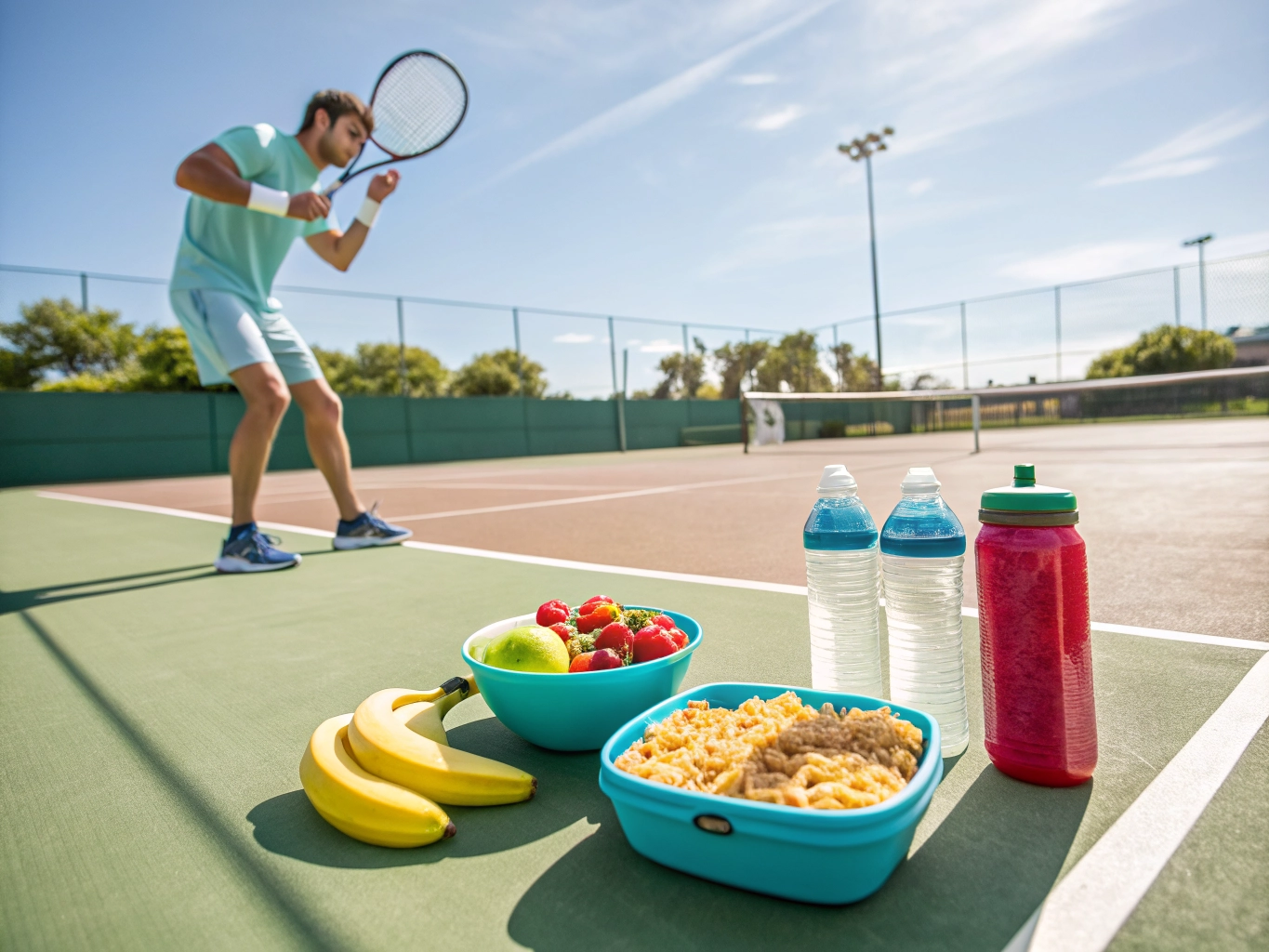
What you eat before a tennis match directly affects how you move, think, and perform on court. Get it right and you'll have steady energy through the final set. Get it wrong and you'll feel sluggish, crampy, or mentally flat when it matters most. This guide covers exactly what to eat, when to eat it, and how to adjust for weather, match length, and tournament days.
Key Takeaways
- Your pre match meal (3–4 hours before) should be carb-focused with some lean protein and low fat to provide steady energy throughout your tennis match.
- A smaller pre match snack (30–90 minutes before) of simple carbs like a banana, toast with honey, or a sports drink gives quick energy levels without upsetting your stomach.
- Climate matters: in heat, prioritize fluids and electrolytes; in cold weather, still hydrate and favor warm, carb-rich foods for sustained energy.
- Eating the right foods before a tennis match helps maintain energy, enhances focus, and prevents mid-match crashes.
- Good pre match nutrition paired with guidance from a qualified tennis coach helps tennis players test, refine, and individualize what works best for their body.
Match-Day Dos and Don'ts (Quick TL;DR Table)
Skim this table before your next important match. These rules cover the essentials of pre match nutrition in under a minute.
| Do | Don't |
|---|---|
| Eat a carb-focused full meal 3–4 hours before (oatmeal with fruit, pasta with lean protein) | Eat greasy fast food or fried foods less than 3 hours before |
| Choose a simple, low-fiber pre match snack 30–90 min prior (banana, toast with honey) | Try new foods or supplements on tournament day |
| Drink plenty of water throughout the day before matches and start hydrating 2–3 hours pre match | Wait until you feel thirsty - thirst lags behind dehydration |
| Use sports drinks or electrolyte tablets for matches over 90 minutes or in heat | Drink excessive plain water without sodium during long play (risk of hyponatremia) |
| In hot weather: chilled fluids, more sodium, frequent sips at changeovers | Neglect hydration in cold weather because you don't feel hot |
| Stick to familiar, tested meals on match day | Experiment with a new protein bar, power gel, or protein shake you've never tried |
Core Pre-Match Nutrition Principles for Tennis Players
Tennis matches can last less than an hour or stretch past three hours. That range means your body needs both quick energy for explosive points and sustained energy for deep sets.
Here are the foundational principles of pre match nutrition:
- Carbohydrates are the most important fuel for tennis performance - they fill glycogen stores in your muscles and liver.
- Moderate protein supports muscle repair and helps stabilize blood sugar when paired with carbs.
- Fat is essential in your overall diet but should be minimized pre match - high-fat foods take too long to digest and can cause sluggishness.
- Limited fiber before play helps digestion and prevents stomach cramps.
- Proper hydration and electrolytes maintain cognitive focus and physical endurance.
A pre-match meal boosts energy levels and enhances focus. Nutrition before a match should include carbohydrate for energy and low fat for digestion. These principles apply to both adults and youth tennis players, though portions scale with body size. Evidence-based guidance from the ACSM and ISSN underpins every recommendation below.
The 5-Minute Power Serve Sequence fixes your racket drop — without swinging harder.
What to Eat Before a Tennis Match (Meals, Snacks & Timing)
Timing is just as important as food choice. A pre-tennis match meal should focus on easily digestible carbohydrates eaten with enough time for your digestive system to do its work. Eat your main meal 3 to 4 hours before stepping on the court.
The pre match meal (3–4 hours before): Aim for a balanced meal built around carbs - half your plate as brown rice, whole-grain pasta, or sweet potatoes; one quarter as lean proteins like chicken breast, grilled fish, or plant based options like tofu; one quarter as cooked vegetables. Keep fats and heavy fibers minimal before play to help digestion.
Meal examples by match time:
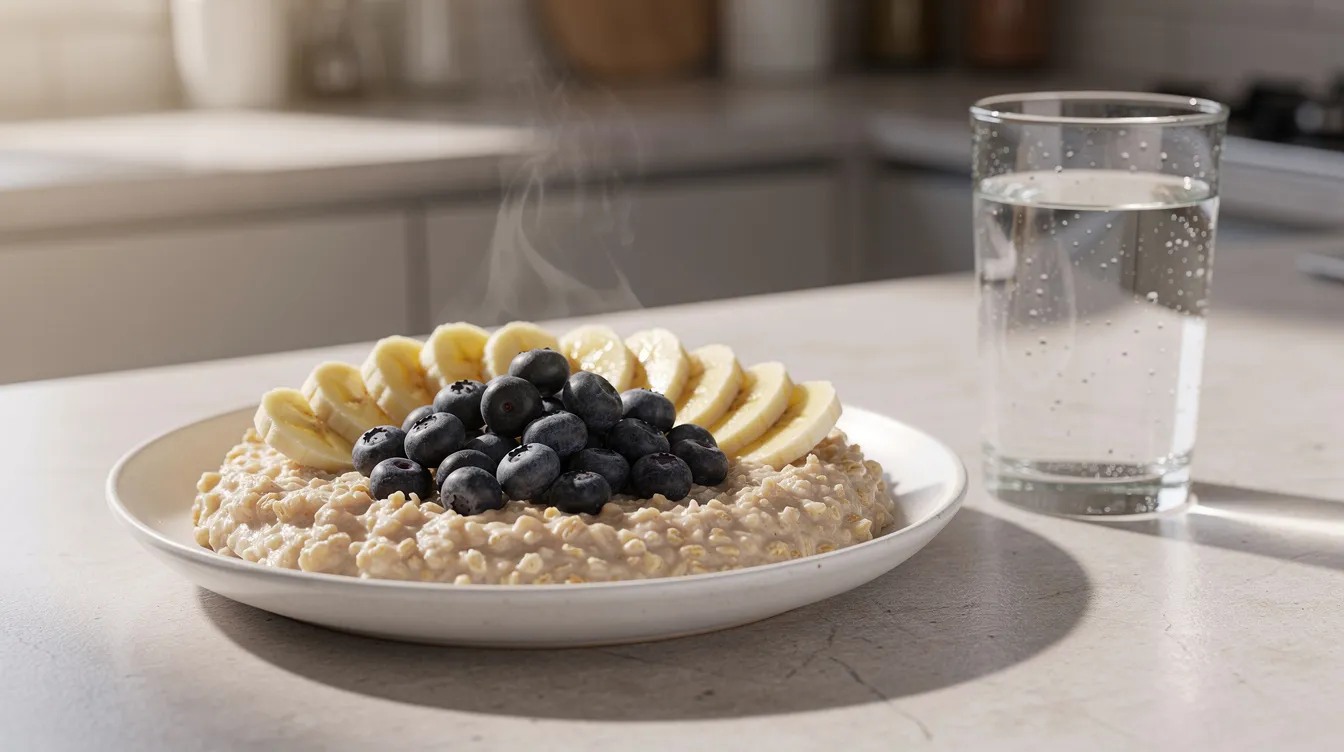
- Early morning match: oatmeal with banana and one or two teaspoons of peanut butter, or whole-grain toast with scrambled eggs and fresh fruit.
- Afternoon match: a turkey sandwich on whole-grain bread, a rice bowl with grilled chicken and steamed vegetables, or pasta with tomato sauce and lean protein.
For breakfast the night before a morning competition, eat a carbohydrate-based meal 2–4 hours before playing so your body has enough energy stored.
The pre match snack (30–90 minutes before): A smaller snack can be eaten 1 to 2 hours prior to a match. Opt for small carbohydrate snacks 30 to 60 minutes before a match. A pre-match snack should be around 200 calories. Good options:
- Bananas are a good pre-match snack option - eat a banana or toast with honey less than 1 hour before.
- A fruit smoothie or smoothie with fruit and yogurt.
- A cereal bar or protein bar with about 20 g carbs.
- Rice cakes with peanut butter offer quick energy and sustained energy release.
- Dates or dried fruit for compact, simple sugars.
Avoid processed sugary snacks to prevent upset stomachs. Greek yogurt provides easily digestible protein and carbohydrates for players who prefer dairy.
Tournament days with back-to-back matches: Eat a solid pre match meal before the first match. Between matches, rely on frequent lighter snacks - fresh fruit, small sandwiches, sports drinks - to keep energy levels up without overloading your stomach. Most players should eat familiar meals on match day to avoid stomach upset. Never experiment with brand-new foods on match day.
Hydration, Electrolytes, and Climate (Heat vs Cold)
Fluid and electrolyte strategy can make or break your performance, especially during summer league play or long tournament days. Hydration is essential for optimal athletic performance, and dehydration can lead to fatigue and poor performance.
Pre match hydration: Start drinking water well before stepping on the court. Drink about 500 mL (17 oz) of fluid 2–3 hours before your match. In the hour before, take smaller, frequent sips - roughly 8–16 oz total - rather than chugging. Drink plenty of water throughout the day before matches.
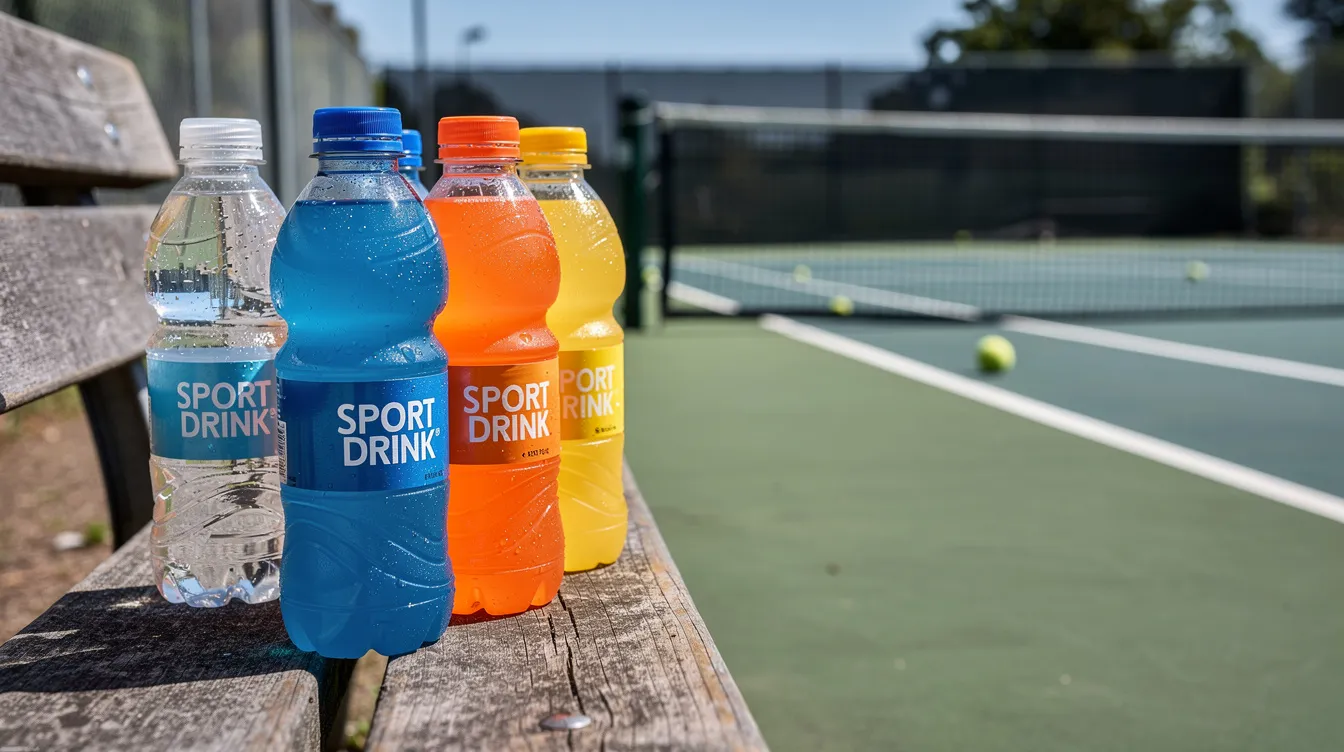
Electrolytes: Sodium, potassium, and magnesium prevent cramps and help maintain performance. For matches longer than 90 minutes or in heat, include an electrolyte drink or sports drinks with 500–700 mg sodium per liter. Coconut water with a pinch of salt, lightly salted pretzels, or electrolyte tablets all work. Stay hydrated by alternating plain water with electrolyte-containing fluids.
Climate awareness:
- In heat and humidity: increase fluid and sodium intake. Use chilled drinks for more energy and better cooling. Sip at every changeover. Hydration helps prevent dangerous conditions in hot weather.
- In cold weather: thirst is blunted but you still lose fluid through respiration and sweat. Choose warm fluids like herbal tea or broth pre match. Don't skip hydration just because you're not sweating visibly.
Overdrinking plain water without electrolytes during very long matches risks hyponatremia. Balance water with sports drinks whenever duration exceeds one hour.
Most Impactful Foods Before a Tennis Match (Ranked List with Table)
These foods are sorted by their impact on pre match performance. Use this as your go-to shopping list for match day fuel.
| Food | Best Timing | Why It Helps Tennis Performance |
|---|---|---|
| Oatmeal with fruit | Meal, 3–4 hrs before | Oatmeal provides a steady stream of complex carbohydrates; fruit adds quick sugars and antioxidants. |
| Banana | Snack, 30–60 min before | Fast-digesting carbs plus potassium to help prevent cramps - delivers more energy when you need it. |
| Whole-grain pasta with tomato sauce + lean protein | Meal, 3–4 hrs before | Whole-grain pasta provides steady energy for matches; protein stabilizes blood sugar. |
| Low-fat Greek yogurt with berries & granola | Light meal or snack | Protein and moderate carbs support endurance without weighing you down. |
| Turkey sandwich on whole-grain bread | Meal, 2–3 hrs before | Balanced carbs and lean proteins; portable and easy to prepare. |
| Sports drink with electrolytes | 30 min before + during | Provides fluid, sodium, and simple carbs to maintain blood sugar and hydration. |
| Baked potato with cottage cheese | Meal, 3–4 hrs before | High carb; potato skin delivers potassium; cottage cheese adds protein. |
| Dates or dried fruit | Snack, 30–60 min before | Concentrated simple sugars for quick energy between matches. |
| Toast with honey or jam | Snack, 30–60 min before | Easy simple carbs; negligible fat and fiber; low GI distress risk. |
| Smoothie with fruit + skim milk | Snack, 60–90 min before | Hydration, carbs, and modest protein in liquid form when appetite is low. |
| Chicken or tofu rice bowl | Meal, 3–4 hrs before | Carb-protein combo; rice is low fat; vegetables provide nutrients. |
| Energy bar (~20–30 g carbs) | Snack, 30–90 min before | Convenient and portable; choose one you've tested in practice. |
| Protein powder + fruit shake | Snack, 60–90 min before | Optional if appetite is low; provides carbs and amino acids. |
Carbs, Protein, Fats & Electrolytes: How They Impact Your Play
Tennis is an intermittent, high-intensity sport that relies heavily on carbohydrate stores. Here's how each macronutrient and electrolytes affect your play:
Carbohydrates are your primary fuel. Muscle glycogen powers explosive sprints and serves. During matches longer than 90 minutes, consuming 30–60 g of carbs per hour has been shown to improve stroke accuracy and delay fatigue. Complex carbs 3–4 hours before fill glycogen stores, while simple carbs closer to match time provide fast availability. Avoid large simple sugar loads right before a match - consuming high-glycemic foods less than 45 minutes before play can trigger reactive drops in blood sugar.
Protein isn't a primary fuel during points but is essential for muscle repair and recovery. Including about 20–30 g of lean protein in your main pre match meal helps stabilize blood sugar. According to ISSN guidelines, protein-carb co-ingestion before exercise can modestly support endurance. A protein shake or protein powder mixed into a smoothie works if you prefer liquid nutrition.
Fats support overall health but slow gastric emptying. Avoid high-fat foods before matches to maintain energy levels - skip heavy cheese, fried foods, and creamy sauces in your pre match meal.
Electrolytes are non-negotiable. Sodium loss through sweat increases cramp risk and impairs neural signaling. Potassium and magnesium support muscle contraction. When playing in heat or beyond 90 minutes, choose an electrolyte drink over plain water. Add chia seeds to a morning smoothie for extra minerals, or sip coconut water with salt between sets.
What Not to Eat Before a Match: Common Mistakes & How to Test What Works
Many tennis players undermine their performance with avoidable nutrition choices. Here's what to avoid or limit:
- Greasy fast food (burgers, fries) - high-fat foods take too long to digest
- Very high-fiber meals right before play (large salads with beans, raw cruciferous vegetables) - high-fiber foods may cause stomach cramps while playing
- Heavy cream-based pasta or alfredo sauces
- Sugary sodas and candy - they spike and crash blood sugar
- Excessive caffeine (more than about twenty five milligrams per kilogram body weight can cause jitters)
- Alcohol the night before or day of a match
Signs your pre match choices aren't working: mid-match energy crash, nausea or cramping, frequent bathroom trips, feeling overly full at the baseline, or a noticeable drop in tennis performance during later sets - all point to poor performance caused by diet.
How to test systematically: Keep a simple food-and-performance log for 2–3 weeks during practice sessions. Note what you ate, timing, climate conditions, and how your energy and focus felt. Adjust one variable at a time - meal timing, carb source, portion size, or hydration plan - so you can clearly see what gives you enough energy to perform at your best. Working with a knowledgeable tennis coach or sports nutrition professional eliminates guesswork.
Integrating Nutrition with Coaching and Training (PlayYourCourt Perspective)
Pre match nutrition is one piece of a complete tennis improvement plan alongside technique, footwork, and fitness. A good tennis coach helps you plan realistic routines: when to arrive at the court, when to eat, and how to structure warm-ups around meals and snacks so your digestive system isn't competing with your legs for blood flow.
PlayYourCourt's certified coaches and video coaching resources can help you test nutrition strategies during practice sessions and local league play - not just at big tournaments. Busy adult tennis players and youth tennis families benefit from personalized guidance that fits real-life schedules. Consider joining tennis lessons or flexible leagues through PlayYourCourt to combine smarter fueling with targeted on-court training.
Evidence & Sources for Pre-Match Tennis Nutrition
Citing credible sources matters. Here are the key references behind this guide:
- ACSM, Academy of Nutrition and Dietetics, Dietitians of Canada (2016) - Joint position on nutrition and athletic performance, covering carbohydrate, protein, timing, and fluid guidelines for optimal performance.
- ACSM Position Stand on Exercise and Fluid Replacement (2007) - Pre-hydration protocols, during-exercise hydration, electrolyte recommendations, and dehydration thresholds.
- ISSN Consensus Review (2018) - Updated recommendations on hydration, pre-exercise nutrient timing, and protein ingestion for sport.
- Kovacs (2006) – Tennis-specific carbohydrate and hydration review - Carb needs of 6–10 g/kg/day during competition periods and match-play fueling strategies.
Frequently Asked Questions
How early should I eat before an early morning match if I'm not hungry?
Try a lighter pre match meal 2–3 hours before - for example, a 6:30 AM breakfast of toast with jam and a banana for a 9:00 AM match. If your appetite is truly absent, consume a light snack of about 200 calories 60–90 minutes before (a small fruit smoothie or half a bagel with honey) and eat a larger, carb-rich meal the night before to top off glycogen stores.
Is coffee okay before a tennis match, or will it dehydrate me?
Moderate coffee - about 1–2 small cups - is generally fine and may boost alertness for many tennis players. However, excessive caffeine can upset your stomach or increase jitters on court. Drink additional water alongside it, and never try caffeine for the first time on match day.
Do junior tennis players need a different pre match meal than adults?
Core principles stay the same: carbs for fuel, some protein, low fat, good hydration. But portions should scale to the child's size and age. Kids often need more frequent snacks - half a sandwich, yogurt, or fruit between matches - because they have smaller stomachs and less appetite under competition stress.
How should I adjust nutrition for multiple matches in one day?
Eat a solid full meal before your first match. Between matches, rely on lighter carb-focused snacks: fresh fruit, simple sandwiches, a cereal bar, or sports drinks. Avoid heavy or greasy foods that could lead to sluggishness. The goal is to keep topping off energy without overwhelming your stomach.
Do I really need sports gels or special supplements as a recreational tennis player?
Most recreational players can perform well using regular foods - bananas, dates, sports drinks, and familiar snacks provide enough energy for typical 60–90 minute matches. A power gel or chews are optional convenience items. Test them during practice first. Protein powder and specialized supplements are rarely necessary unless you're playing extended tournament schedules.
Keep Improving


Similar Posts
- Find Tennis Partners Fitness Home Page Feature Improve My Game Quality Family Time Tennis Tennis Tips for Kids
Reasons You Should Play Tennis
Thinking about learning to play tennis? Or maybe picking up a racket after years away from the sport? There’s so many reasons why you should! Read below our countdown of the top 10 reasons to play tennis brought to you by PlayTennis.com.
How To Get Started Playing Tennis
Read the 7 tips below on how to get started playing tennis: 1. Make the mental decision to begin [sc:optin-box-modal slug=”add-15″ linktext=’Bonus: Watch “Add 15 MPH To Your Forehand With This Simple Fix”‘ bgcolor=”F8F1DE” linkcolor=”000000″ ] Like anything else, you need to want to do something in order to do it. Maybe you’ve…
Beginner Tennis Lessons for Adults
Congratulations! If you’re reading this, you’ve made (or are on the verge of making) a great decision to be one of the millions out there taking beginner tennis lessons for adults. You can play tennis no matter how old you are. You’ve probably heard people say this a million times, and I’m going to say…
Wimbledon or World Cup? They actually have a lot in common
World Cup Fever? I’ll be honest. I caught it. This “illness” even trumped my Wimbledon viewing the past two weeks. But I’m okay with it. After all, the World Cup only comes once every four years. I am one of the growing number of Americans who love soccer—almost as much as I love tennis. It’s…
Featured Posts Find Tennis Partners Fitness Home Page Feature Improve My Game Quality Family Time Tennis13 Signs You Are Obsessed with Tennis
13. When someone asks about your partner, you immediately think of your doubles partner. Someone asks you about your partner and your response is something like, “Good, they’re finally getting their first serve in” or “Not bad, but I hate it when (s)he tries to do a Bryan Brothers chest bump.” It’s okay, as long…