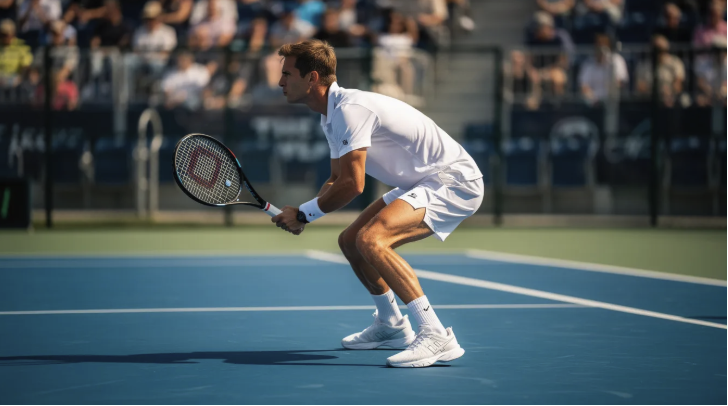
How to Hit a Powerful Backhand: A Complete Guide
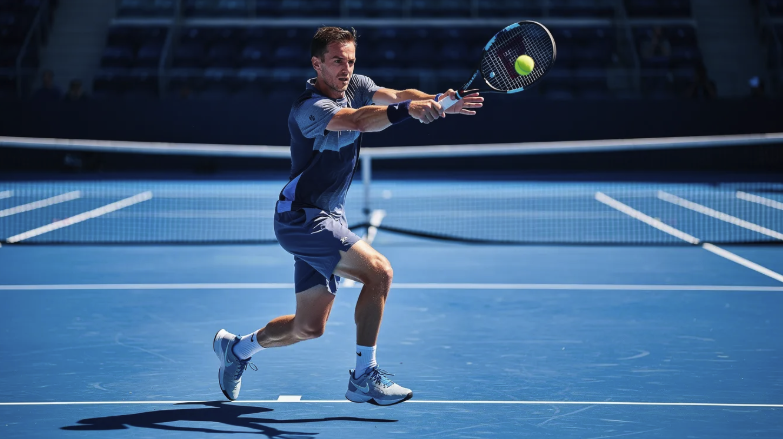
A weak backhand is a target. Every experienced opponent will find it, exploit it, and use it to neutralize even your best forehand. This article is the definitive, data-backed guide to building a powerful backhand-whether you play a two handed backhand, a one handed backhand, or a slice backhand. From grip to footwork to match tactics, every section gives you concrete steps you can apply on court this week.
Key Takeaways
Developing a powerful backhand requires proper core rotation, weight transfer, and a low-to-high swing path-not brute arm strength. This guide walks you through each component in sequence so you can build real, sustainable power from the ground up.
- Backhand power comes primarily from leg drive, hip and trunk rotation, and efficient use of the non dominant hand (for a two-hander), not from muscling the ball with the dominant hand. Strong backhand shots are built on repeatable fundamentals rather than raw arm strength.
- This article includes concrete power benchmarks by level-mph ranges for typical 3.0, 3.5, and 4.0 players-plus simple court tests to track progress over 4–12 weeks.
- You’ll get detailed how-tos, common don’ts (like hitting off the back foot), pro examples, and links to PlayYourCourt YouTube videos that visually break down technique.
- PlayYourCourt offers on-court lessons, video coaching, and hitting partners so you can implement these backhand power principles in real match play and see measurable improvement.
Why a Powerful Backhand Matters in Modern Tennis
Twenty years ago, the backhand was a rally stabilizer-a shot most players hit to stay in the point. That era is gone. Today, players like Novak Djokovic, Jannik Sinner, and Iga Świątek use the backhand as an offensive weapon to control exchanges and win matches outright. In the 2023 Paris Masters final, 57% of Djokovic’s groundstrokes came from the backhand side as he used it to dictate rallies against Grigor Dimitrov. As Djokovic has made clear: “If you don’t have a good backhand, the top players will always find it.”
The two-handed backhand is used by champions like Djokovic precisely because it allows them to apply relentless pressure. Sinner’s average backhand clocks roughly 73 mph, about 7 mph above the tour average. At high levels, opponents systematically attack your weaker wing; if your backhand can’t hold up past 60–70 mph rally pace, your forehand never fully comes into play.
At PlayYourCourt, most new adult and youth tennis students arrive with a significant gap between forehand and backhand power. Closing that gap is often the fastest path to climbing from a 3.0 to a 4.0+ NTRP level. A powerful backhand also directly improves your return of serve, passing shots, and cross-court exchanges-meaning more points won and better league results.
Backhand Power Benchmarks: How Strong Should Your Backhand Be?
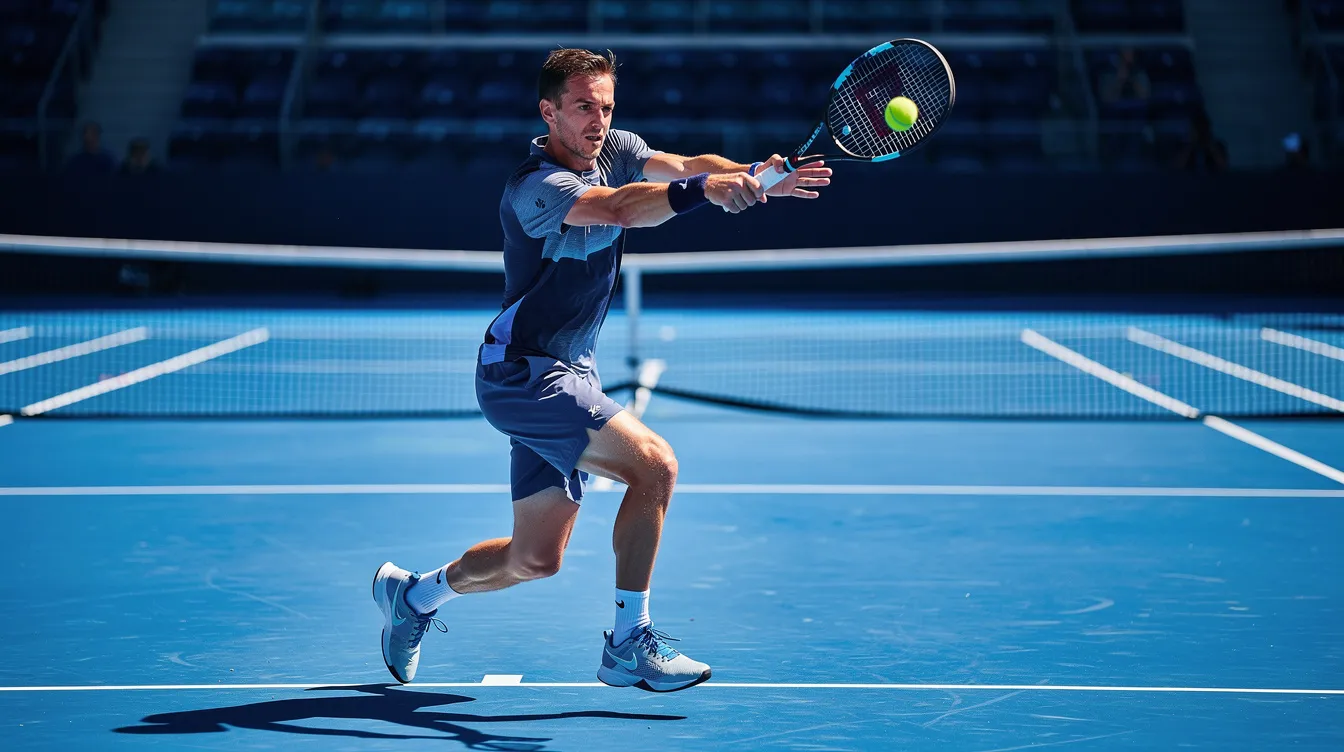
Before you can improve, you need to know where you stand. The table below gives approximate speed and depth targets by NTRP level so you can gauge whether your backhand is on track or lagging behind. These are estimates based on pro match data and coaching observations-not lab measurements-but they give you a useful framework.
| NTRP Level | Typical Rally Speed (mph) | Aggressive Ball Speed (mph) | Average Depth |
|---|---|---|---|
| 2.5–3.0 | 40–50 | 50–55 | Often lands near service line |
| 3.5 | 50–60 | 60–65 | Past service line ~50–60% of the time |
| 4.0–4.5 | 60–65 | 65–70 | Consistently near baseline |
| Tour/Pro | 65–75 | 75–80+ | Deep with heavy topspin or penetration |
For context, the fastest backhand recorded at the 2021 Australian Open was Denis Shapovalov’s at roughly 101.4 mph-an outlier that shows how much headroom exists above the average.
Ideal forehand-to-backhand gap: At 3.5+, aim for less than a 10% speed difference between your forehand and backhand. At 4.5+, target less than 5%.
Simple court tests to track progress:
- Use a radar gun, speed-sensing app, or ball machine with built-in radar to measure 20 aggressive backhands per session, recording the average.
- Use video and court markings: hit 20 cross-court backhands at 80% effort and count how many land between the service line and baseline. Track this percentage weekly.
A practical 4–8 week mini-goal for a 3.0 player might be raising average rally backhand speed from ~45 mph to ~50 mph, or consistently pushing opponents behind the baseline 60% of the time on cross-court rallies.
Choosing Your Weapon: Two‑Handed vs One‑Handed vs Slice Backhand
A powerful backhand doesn’t mean a single technique. Players can build weapons around three distinct styles, each with real tradeoffs. If you’re a beginner or returning to the game, understanding these differences helps you find the approach most comfortable for your body and goals. For a deeper comparison, see PlayYourCourt’s breakdown of which is better: the two-handed backhand vs one-handed backhand.
- The two handed backhand offers greater stability and power. It’s easier to control under pressure, relies heavily on trunk rotation, and is preferred by most modern pros-Djokovic, Osaka, Medvedev, Sinner. Recommended for most adult beginners and juniors.
- The one handed backhand provides greater reach and variety. It’s elegant but technically demanding, requiring stronger timing and shoulder/back strength to generate safe power. Think Federer, Wawrinka, and Thiem-players who can hit devastating winners with only one hand on the racquet.
- The slice backhand, usually hit with only one hand, emphasizes skid and depth. Power here is expressed as penetration and low bounce rather than raw speed. Ash Barty built an entire career around a slice that kept opponents guessing.
Decision guidance:
- If you started tennis late and want consistency and easier returns → stick with or switch to a two-hander.
- If you grew up one-handed and love coming to net → keep it, but build more leg-driven power.
- Everyone should develop at least a solid slice backhand for defense and variety.
PlayYourCourt tennis coaches can evaluate your current stroke-in person or via video coaching-and help you decide if a change of style will unlock more power or if refining your existing technique is the smarter path.
Grip Fundamentals: How Your Hands Create (or Kill) Backhand Power
The grip of your right hand and left hand sets up your ability to swing fast while keeping the strings square through contact. Misuse here is one of the biggest hidden power leaks our coaches see. Proper grip adjustment helps generate pace and spin during a backhand shot, and getting it wrong limits everything else you do.
Two handed backhand grips:
- The dominant hand (for right handed players, the right hand) sits on the bottom in a continental grip-like holding a hammer or a chopper. This grip keeps the wrist flexible and allows the racquet face to stay neutral through the hitting zone.
- The non dominant hand (the left arm for right handed players) takes an eastern or semi-western forehand grip on top. This is important because the top hand actually drives the shot, so it should feel like hitting a forehand with that hand.
One handed backhand grip: Typically an eastern backhand grip, with the base knuckle on the top bevel. This lets you drive through the ball without opening the face too soon. For a detailed visual walkthrough, watch how to hold a tennis racquet for forehand and backhand grips.
Common grip mistakes that kill power:
- Dominant hand in a full eastern forehand on a two-hander-this locks the wrist and closes the racquet face.
- Non dominant hand too weak or neutral-the top hand can’t accelerate, forcing the bottom hand to compensate.
- Death-grip squeezing at 9–10/10 tightness instead of a relaxed 3–4/10. Key elements include a relaxed grip until impact; tension before contact kills racquet head speed.
Stance, Footwork, and Weight Transfer: The Real Engine of Backhand Power
Most recreational players try to add backhand power with their arm. But research confirms that coordinated lower-limb movement is essential for generating racquet velocity. Roughly 60–70% of safe power comes from stance, footwork, and weight transfer into the ball. Weight transfer is crucial for generating power in backhands-it’s not optional.
Three main stances on the backhand side:
- Closed stance: front foot crosses toward the net, maximum weight transfer forward. Best for balls you can set up on.
- Neutral stance: feet roughly shoulder-width apart, perpendicular to the baseline. A reliable default.
- Semi-open stance: common on wide balls for the two-hander, but sacrifices some forward drive.
For maximum power and depth, a neutral or slightly closed stance allows the most efficient transfer of energy.
Ideal footwork pattern, step by step:
- Split-step as your opponent hits. This gets your feet alive and prepared.
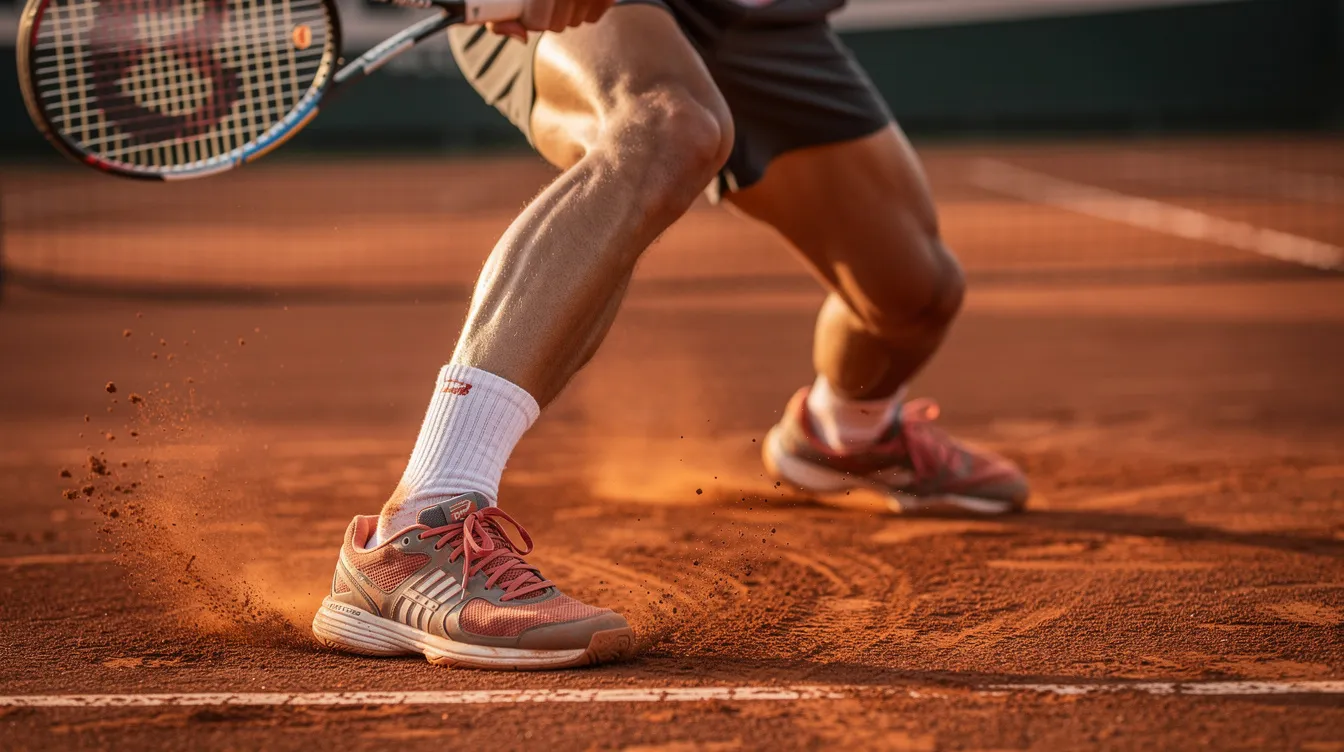
- Unit turn: rotate your shoulders and hips as a single block while the outside foot moves back and slightly behind.
- Plant the outside leg, loading into the hip and glute. Your knees should be bent, body coiled.
- Transfer weight smoothly from the back/outside leg forward into the front leg as the racquet swings through contact.
Poor footwork-late splits, feet parallel, or hitting off the back foot-robs power and forces you to “arm” the ball, producing short, loopy shots that land mid-court. For drills that fix these patterns, check out PlayYourCourt’s guide to tennis footwork drills, techniques, and common mistakes.
Stroke Mechanics: Step‑by‑Step Blueprint for a Powerful Two‑Handed Backhand
This is the how-to Bible portion for your two handed backhand. Each phase builds on the last-skip one and power leaks out.
Phase 1: Ready position and split-step. Stand at waist height with your racquet cradled in both hands, feet slightly wider than shoulder-width, weight on the balls of your feet, waiting for the ball.
Phase 2: Unit turn. Early preparation involves turning your shoulders and bringing the racquet back the moment the ball is recognized. Your shoulders and hips rotate as a single block, coiling energy into your core muscles. Coil and uncoil by turning your shoulders fully to store energy in your core muscles.
Phase 3: Racquet drop and lag. The racquet head falls below ball height as your hands stay close to your body. This creates the low-to-high swing path that produces topspin.
Phase 4: Forward swing. The swing is driven by legs and torso, with the non dominant hand leading the acceleration. Feel like your left arm is hitting a forehand. The non-dominant hand plays a key role in shot power-it’s the engine, not just a stabilizer. Smooth acceleration through contact ensures better power and consistency in backhand shots.
Phase 5: Contact. Make contact well in front of your lead hip or foot to maximize control and leverage. Aiming to contact the ball slightly in front of your body helps avoid weak hits. Racquet-face control determines the ball’s direction upon contact-keep the strings straight through the target.
Phase 6: Follow-through. Extend through the target line into a balanced wrap-around finish over your opposite shoulder. A full follow-through helps maintain power and direction after striking the ball.
Adding topspin while keeping power: A low-to-high swing path creates topspin, which provides better control and higher bounces. Topspin is created by brushing the ball from lower to higher. Target net clearance of roughly 3–5 feet on heavy rally balls to keep depth without error.
Concrete cue: keep the butt cap of the racquet pointing toward the ball just before contact-this generates whip rather than a stiff push.
Mechanics of a Powerful One‑Handed and Slice Backhand
One-handed and slice backhands require extra precision but can produce devastating shots when executed correctly. Research shows that one-handed backhands rely more on upper-limb segment speeds (shoulder, elbow, wrist) rather than trunk rotation, meaning technique and timing are even more critical.
One handed backhand mechanics:
- Early unit turn and shoulder coil-turning more than on a two-hander. Studies show one-handers achieve roughly 119° of shoulder rotation versus 83° for two-handers, storing greater elastic energy.
- Strong, bent front knee and loaded back leg to support the hitting shoulder.
- Long hitting zone through the ball with a firm, but not locked, hitting arm. Contact occurs further in front of the body (roughly 0.59 m) compared to a two-hander (0.40 m).
- Pronounced extension toward the target followed by a high, across-the-body finish.
Specific cue: “push the court away with your back foot” so power comes from the ground up rather than over-using the wrist. For a complete video breakdown, watch how to get more power on your one-handed backhand.
Slice backhand mechanics:
- Slightly open stance and continental grip or backhand grip.
- High racquet preparation, with the racquet face slightly open.
- A smooth, gliding high-to-low swing that cuts under the ball and sends it deep and low.
- Focus on depth and penetration over raw speed, targeting a skid that keeps opponents below net height. Among Japanese male pros, slice backhands averaged roughly 47–50 mph versus 65–71 mph for topspin drives.
When to choose which: Use a heavy topspin one-hander on higher balls where you can rotate fully; switch to a driving slice on low or defensive balls to keep the shot deep and force your opponent to hit up. The flat backhand is effective on fast surfaces where you want the ball to stay low and skid through the court. For slice-specific tips, see how to get more power on your slice backhand.
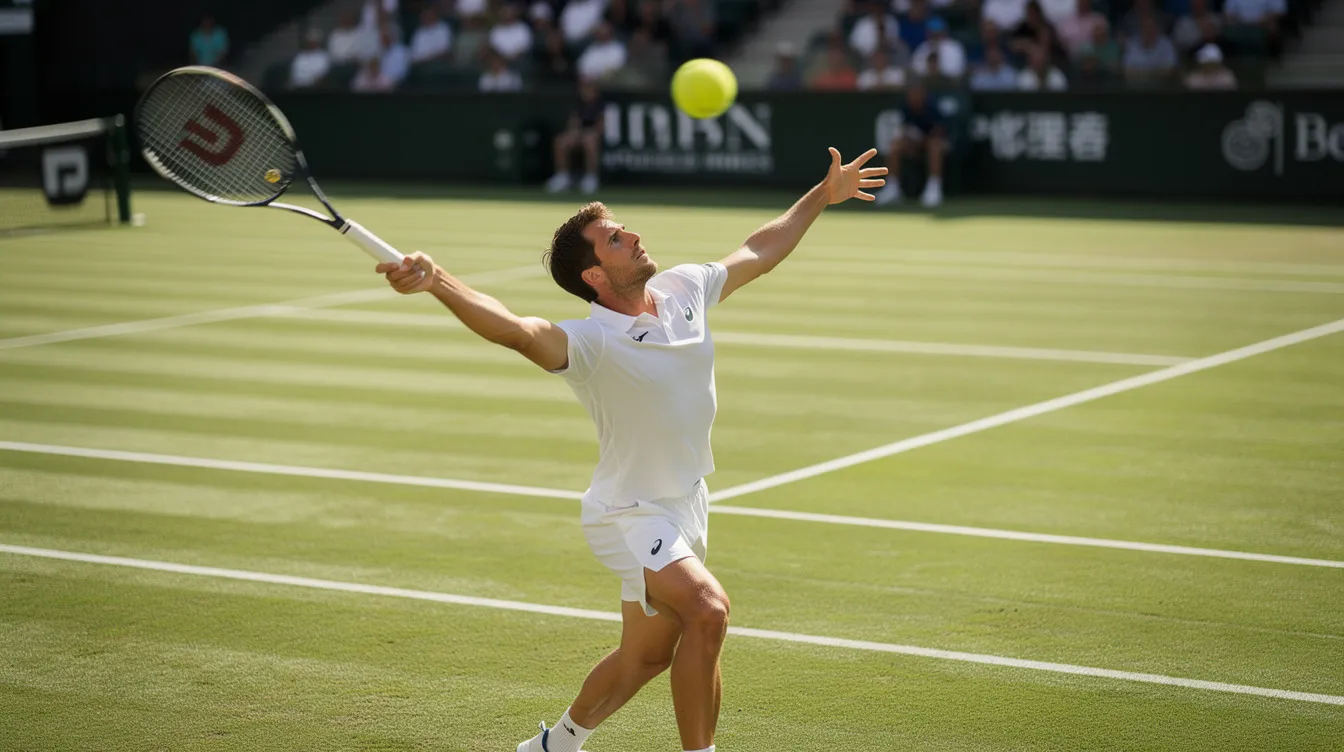
Common Don’ts: Why Most Players’ Backhands Stay Weak (and How To Fix Them)
This section covers the power-killing habits PlayYourCourt coaches see most often across adult and youth players. For even more detail, watch FIX these 3 mistakes and improve your backhand.
- Arm-only swing with no leg drive. This bypasses the kinetic chain and puts a low ceiling on power. Studies confirm that trunk and hip rotation are the primary contributors to racquet speed. Fix: before every backhand, consciously load the outside leg and feel the ground push.
- Late preparation and rushed contact. When the unit turn is delayed, you’re forced to hit too close to the body, cutting racquet speed and control. Fix: start your shoulder turn the instant you read the ball’s direction, not when it crosses the net.
- Opening the shoulders too early. Premature rotation sprays balls wide and up. Fix: keep your chin over the front shoulder through contact; rotate only after the ball leaves the strings.
- Leaning back at contact. This sends energy into the ground behind you instead of into the ball. Weight transfer is essential for generating power in the shot-you can’t transfer weight backward and hit deep. Fix: step into every rally ball and feel your weight move forward.
- Over-rotating the wrists. Expert players use an extended wrist position (roughly 23° extension) at contact. Flipping the wrist costs both power and accuracy. Fix: hold the wrist firm through the hitting zone and let the follow-through happen naturally.
These mistakes explain why many players plateau at 3.0–3.5: they try to swing harder using the same flawed pattern instead of rebuilding a more efficient sequence. Record yourself from the side and behind, compare against this checklist, or submit clips to a PlayYourCourt video coach for a professional backhand power audit.
Drills, Progressions, and Weekly Plan to Build Backhand Power
Power is built through structured repetition, not random hitting. Below is a practice framework combining technical drills, power drills, and live play.
Core drills:
- Shadow swings (mirror or fence): 3 sets of 10 reps focusing on unit turn, weight transfer, and full follow-through. No ball needed-groove the pattern.
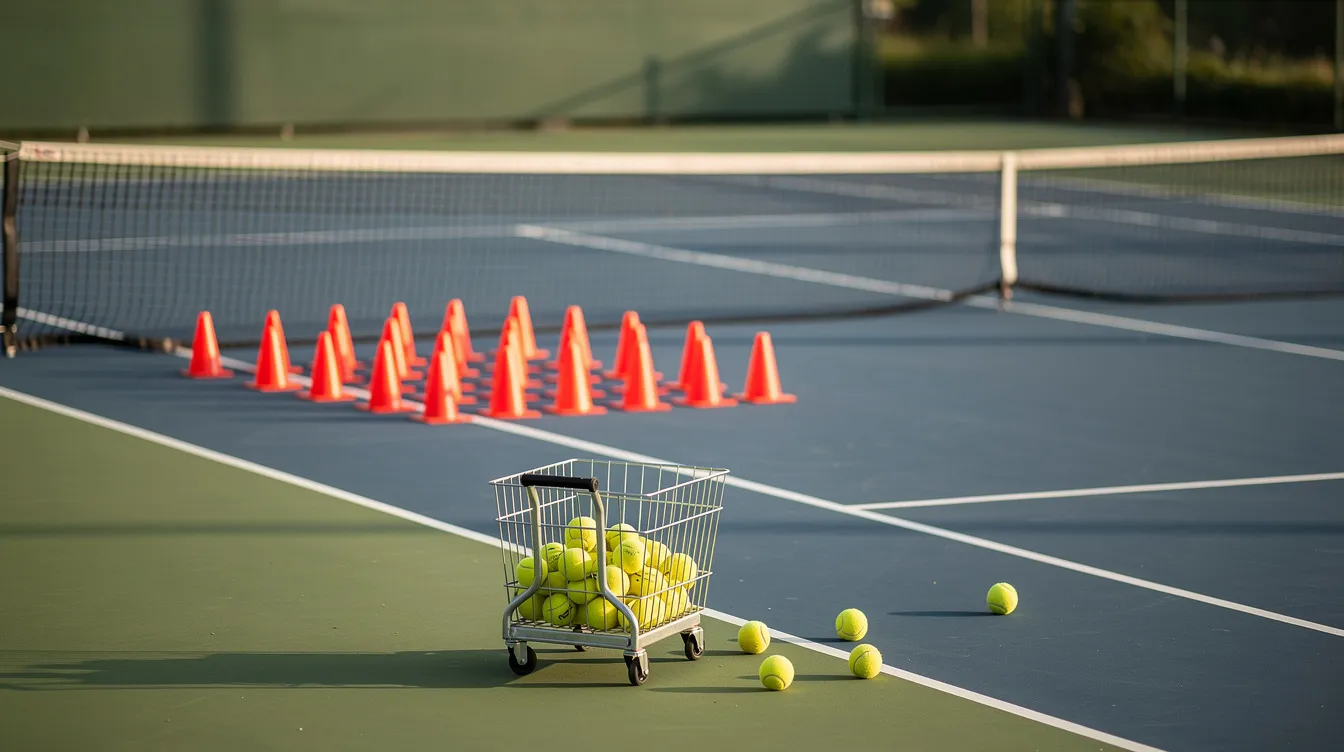
- Basket feeding drill: A coach or partner feeds medium-paced balls to the backhand. Aim deep cross-court, targeting a zone behind the service line. Track your percentage out of 20 balls.
- Step-in power drill: Start inside the baseline. On every feed, step forward into the ball, focusing on driving through contact. This trains aggressive weight transfer.
- Non dominant hand isolation (two-handers): Hit mini-court backhands using only the top hand on the racquet. This builds the top-hand forehand feel that creates real acceleration.
- Radar or “deep-only” drill: Count how many backhands per basket of 20 land between the service line and baseline. Aim to increase both depth percentage and swing speed week over week.
Sample weekly micro-plan:
| Session | Focus | Key Drill | Duration |
|---|---|---|---|
| Session 1 (Technique) | Mechanics & grip | Shadow swings + basket feeding | 45 min |
| Session 2 (Power) | Speed & depth | Step-in drill + radar drill | 45 min |
| Session 3 (Match play) | Pattern execution | Cross-court rally games, live sets | 60 min |
Video-record at least one backhand-focused session per week for self-analysis or PlayYourCourt video review. Research suggests that shorter, more compact backswings can generate greater peak impact force (330 N vs. 181 N with a long backswing), so don’t confuse a big wind-up with power-efficiency wins.
Using Your Powerful Backhand Tactically in Matches
Building backhand power is only half the battle. The real payoff comes when you use that power intelligently to win the point in match situations.
Core tactical uses:
- Heavy cross-court backhand to push your opponent off the court and open up the down-the-line forehand.
- Deep, aggressive backhand returns aimed at the middle or the weaker wing to neutralize strong serves.
- Backhand down-the-line change-ups to punish predictable cross-court exchanges.
- Penetrating slice backhand to break up rhythm and keep your opponent below net height. The lifted backhand is ideal for long exchanges where you need margin and depth, while the flat backhand is effective for aggressive shots on fast surfaces.
Rally patterns any 3.0–4.0 player can practice:
- Backhand cross-court rally → wait for a short ball → step in and drive backhand down the line.
- Backhand return deep cross-court → expect reply to the backhand corner → run around the next ball for a forehand attack.
In doubles: Use a strong backhand to chip returns low at the net player’s feet, or drive through the middle-at 3.0–4.0 doubles levels, the middle is often wide open.
To rehearse these patterns under real pressure, not just in drilling, find practice match partners or join a flexible league through PlayYourCourt.
Training Safely: Strength, Mobility, and Injury Prevention for a Bigger Backhand
Increasing backhand power adds stress to your wrist, elbow, shoulder, and lower back. Smart off-court work lets you swing bigger without breaking down.
Key physical qualities for powerful backhands:
- Lower-body strength (glutes, quads, calves) for strong push-off. Try split squats, 3 sets of 10 per leg.
- Core rotation strength (obliques, transverse abdominis) for trunk-driven power. Medicine ball rotational throws, 3 sets of 8.
- Shoulder stability and scapular control for safe racquet acceleration. Banded external rotations, 2 sets of 15.
- Wrist and forearm resilience for absorbing off-center hits. Forearm pronation/supination with a light dumbbell, 2 sets of 12.
Injury prevention tips:
- Increase swing volume gradually-no more than 15–20% per week.
- Warm up thoroughly before hitting; cold muscles and tendons are injury-prone.
- Avoid long sessions when technique is breaking down from fatigue. That’s when tennis elbow and lower-back strain creep in.
If you’re unsure about your physical readiness, PlayYourCourt pros can coordinate with strength coaches or provide basic off-court routines as part of a comprehensive improvement plan.
How PlayYourCourt Helps You Build and Measure a Powerful Backhand
Reading a guide is one thing. Transforming a weak backhand into a reliable weapon on court requires feedback, reps, and accountability. That’s where PlayYourCourt bridges the gap.
- Private tennis lessons with vetted, certified coaches who rebuild mechanics on local courts at times that suit busy adults and families. Find a tennis coach near you.
- Video coaching where you upload backhand clips and receive frame-by-frame breakdowns, annotated feedback, and tailored drills.
- Practice-partner and match-partner matching to get live rally reps focused on testing and trusting a more powerful backhand under pressure.
- Flexible leagues and clinics where you can benchmark backhand performance at real NTRP/UTR levels.
Membership perks include gear discounts on racquets and strings suited to heavier backhand swings, priority local court booking, and access to curated backhand training playlists on the PlayYourCourt YouTube channel.
Set a clear 8–12 week goal-for example, “drive backhand deep 70% of the time at 3.5 league level”-and book a first session or video review dedicated entirely to that goal. Ultimately, powerful backhands are not just for juniors or life-long pros. Most adult recreational players can add 10–20% safe power within a season with consistent, guided training.
Three Core Takeaways to Immediately Improve Your Backhand Power
These three principles distill everything in this guide into actions you can apply in your very next hit.
Takeaway 1: Build from the ground up. Real power comes from strong legs, dynamic footwork, and weight transfer into contact-not from swinging your arm harder. Simple cue: load the outside leg before every backhand. Feel the ground before you swing.
Takeaway 2: Let the non dominant hand work. For two-handers, the top hand should feel like it’s hitting a forehand, actively driving the racquet through the ball. For one-handers, replace arm-only swings with a big shoulder turn that stores and releases elastic energy. The non-dominant hand plays a key role in shot power regardless of your technique.
Takeaway 3: Deep first, then hard. Prioritize consistently driving the ball past the service line with net clearance. Once that’s reliable, gradually add swing speed while maintaining depth and shape. This approach avoids the common error of chasing speed before you have control.
Pick one takeaway and one drill from the earlier section. Commit to 10–15 focused minutes every time you hit for the next month. Use PlayYourCourt resources-lessons, video coaching, or practice partners-to stay accountable and mastering the process faster.
FAQs About Developing a Powerful Backhand
These frequently asked questions address common concerns that weren’t fully covered above, giving you quick, practical answers.
How do I get more power on my tennis backhand without losing control?
Focus on three things: improve your contact point so you’re making contact in front of the body (roughly in front of your lead hip), commit to better weight transfer into every shot, and use smooth acceleration rather than sudden jerks. Start at about 70% effort, concentrating on depth. Once you can consistently land backhands past the service line, gradually increase swing speed. You’ll find that an efficient swing at 80% effort produces more effective results than a wild swing at 100%.
Is a two‑handed backhand more powerful than a one‑handed backhand?
For most players-especially those at a beginner or intermediate level-the two handed backhand produces more repeatable power due to added stability and the active role of the non dominant hand. However, elite one-handers like Stan Wawrinka generate enormous power through superior timing, greater shoulder-hip separation, and a longer contact zone. The right choice depends on your body, your playing history, and your willingness to invest in the technical demands of each style.
How long does it take to noticeably improve backhand power?
With 2–3 focused sessions per week using structured drills and correct technique, many players see measurable improvements-deeper, heavier backhands-within 4–6 weeks. More dramatic changes in consistency and speed typically emerge in 8–12 weeks, especially when guided by a coach or regular video feedback. Don’t expect overnight transformation; the kinetic chain takes time to retrain.
Should I switch from a one‑handed to a two‑handed backhand for more power?
If you’ve struggled for years with a weak, inconsistent one-hander and you play primarily from the baseline, switching to a two-hander can unlock easier power and greater confidence under pressure. However, this is a significant technical change. Work with a coach who can assess your age, physical capacity, and playing style before committing. PlayYourCourt’s guide on switching from a two-handed to one-handed backhand covers the transition process in detail.
Can I build a powerful backhand just by hitting a lot of balls?
Volume alone often reinforces bad habits. If your mechanics are flawed, 500 extra backhands per week will only groove those flaws deeper. You need a combination of quality reps with correct technique, targeted drills with specific goals, and occasional expert feedback-whether from a PlayYourCourt lesson or a video review. Structured practice with clear benchmarks is what turns more swings into more safe, usable power on the court.
Keep Improving